Levvi Editorial
Science & Life
Real research. Routines that work.
Showing 49–72 of 72 articles · Page 3 of 3

 Scientific study
Menopause and Longevity: The New Science of Ovarian Health
Menopause is more than the end of fertility — it's a window into longevity. Discover what the latest science reveals about ovarian aging.
· March 12
 Scientific study
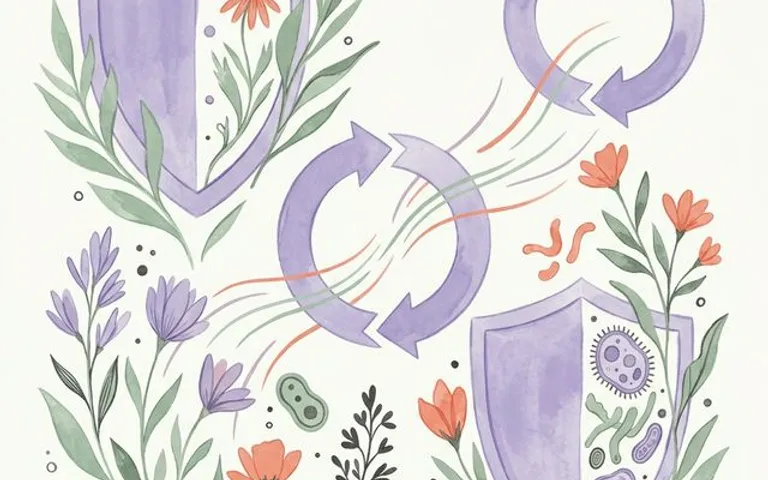
Recurring Yeast Infections: Causes and How to Break the Cycle
Recurring yeast infections have identifiable causes. Discover the risk factors, treatments, and how probiotics can help prevent recurrence.
· March 12
 Scientific study
Journaling and Mental Health: The Benefits of Writing
Writing your thoughts is more than a habit — it's a practice with decades of scientific evidence. Learn how to start and what to expect.
· March 12
 Scientific study
Female Burnout: Why Women Burn Out More and How to Recover
Women face unique burnout risk factors. Learn the science behind female exhaustion — the double burden, mental load, and hormonal connections — and how to recover.
· March 12
 Scientific study
Chronotype and Productivity: Discover Your Biological Clock
Your biological clock determines when you are most productive. Discover your chronotype and learn to align your daily routine with your natural energy peaks.
· March 12
 Scientific study
Sleep and the Menstrual Cycle: Why You Sleep Differently Each Phase
Your sleep quality changes measurably across the menstrual cycle. Learn how progesterone and estrogen affect sleep architecture and how to adapt your routine.
· March 12
 Scientific study
Iron Deficiency, Anemia and Heavy Periods: What to Know
Can heavy periods lead to low iron or anemia? Learn how menstrual blood loss can deplete iron, which symptoms to discuss, and when to seek an evaluation.
· March 12
 Scientific study
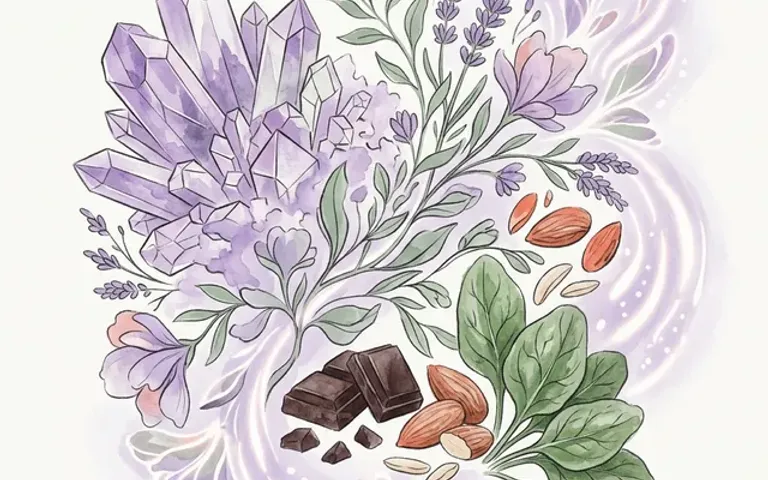
Magnesium and PMS: The Mineral That Can Transform Your Luteal Phase
Magnesium is one of the most studied nutrients for PMS relief. Learn which form absorbs best, the right dosage, and what clinical research actually confirms.
· March 12
 Scientific study
ADHD in Women: Why Diagnosis Takes 10 Years Longer
Women with ADHD are diagnosed on average 10 years later than men. Learn how female ADHD presents, how hormones affect symptoms, and what steps to take.
· March 12
 Scientific study
Hormonal Anxiety: When Your Cycle Amplifies Worry
Anxiety that comes and goes with your cycle has a hormonal explanation. Learn how estrogen and progesterone affect anxiety and how to manage it cycle-aware.
· March 12
 Scientific study
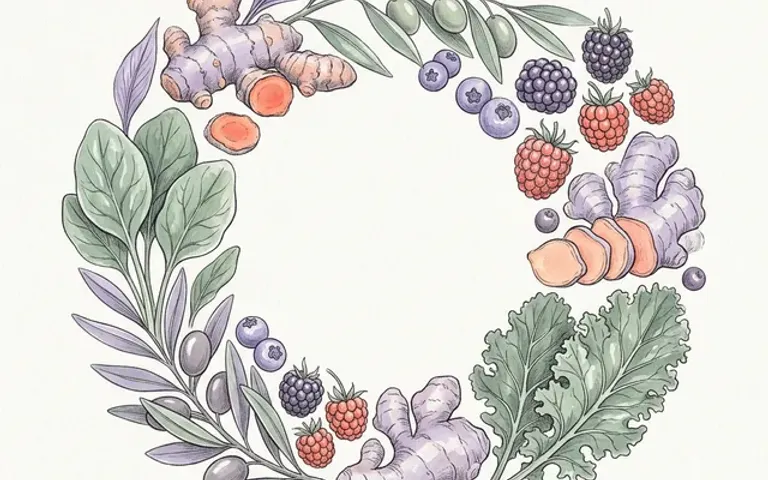
Anti-Inflammatory Diet: How Food Can Reduce Period Pain
Omega-3s, ginger, and magnesium can measurably reduce menstrual pain. Discover the anti-inflammatory diet approach supported by clinical research.
· March 12
 Scientific study
Strength Training and Female Hormones: Why Lifting Is Essential
Strength training is the most powerful longevity tool for women. Learn the science behind hormones, muscle adaptation, and why every woman should lift weights.
· March 12
 Scientific study
Female Libido: What Science Knows About Desire and Hormones
Female desire is biopsychosocial — hormones are only part of the equation. Learn how the cycle affects libido and when low libido needs medical attention.
· March 12
 Scientific study
Vaginal Microbiome: Protecting Your Intimate Health Naturally
Your vaginal microbiome is a Lactobacillus-dominated ecosystem that fights infections. Learn how it works, what disrupts it, and daily habits to support it.
· March 12
 Scientific study
Cold Showers and Women's Health: Benefits and Safety Tips
Cold exposure improves mood, stress resilience, and circulation with as little as 30 seconds per day. Learn the science, how to start safely, and cycle timing.
· March 12
 Scientific study
Breathwork: The Science Behind Conscious Breathing Techniques
5 minutes of conscious breathing per day improves mood more than meditation. Learn the most effective techniques — cyclic sighing, 4-7-8, and box breathing.
· March 12
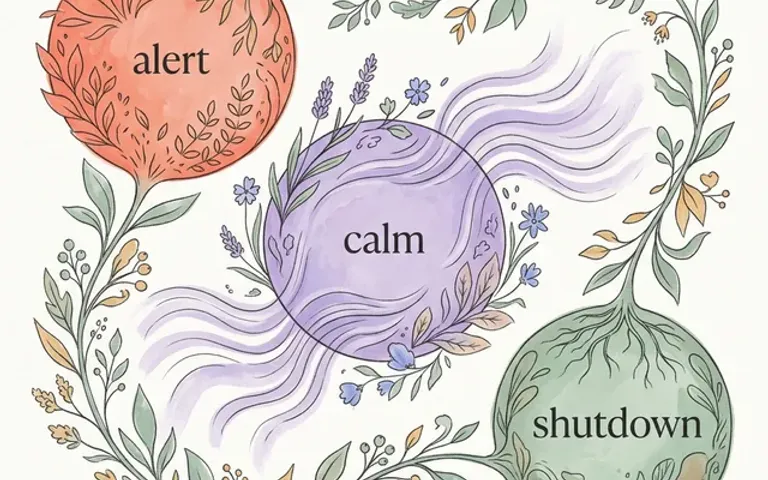 Scientific study
Nervous System Regulation: How to Calm Your Body Under Stress
Your nervous system has 3 states: safety, fight-or-flight, and shutdown. Learn science-backed vagus nerve practices to restore calm and build resilience.
· March 12
 Scientific study
Cortisol and Women's Health: What Stress Does to Your Body
Cortisol affects women differently across the menstrual cycle. Learn how stress disrupts your hormones and science-backed strategies to rebalance it.
· March 12
 Scientific study
Women and Insomnia: Why You Sleep Worse and How to Fix It
Women have a 40% higher risk of insomnia than men. Learn how hormonal fluctuations affect sleep quality and which evidence-based strategies actually work.
· March 12
 Scientific study
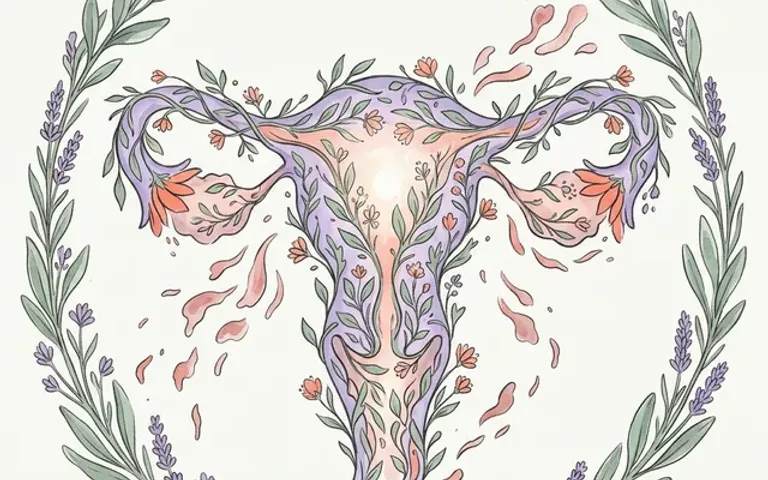
Endometriosis: What Every Woman Needs to Know
Endometriosis affects 10% of women worldwide. Understand the symptoms, diagnostic challenges, 3 types, and evidence-based treatment options.
· March 12
 Scientific study
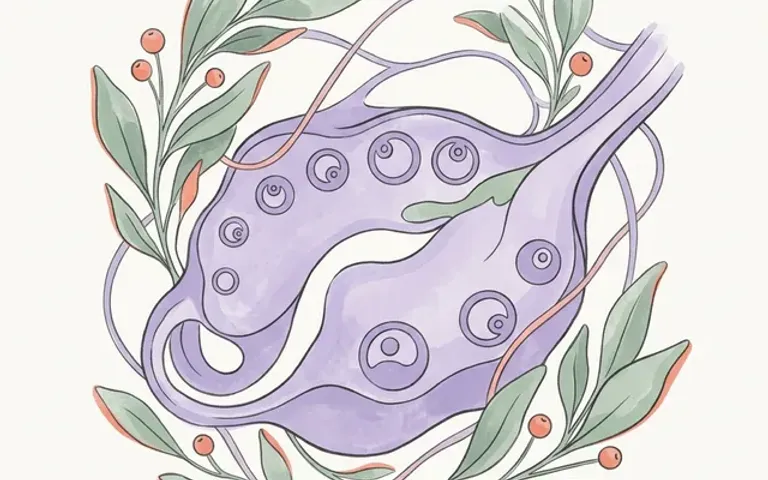
PCOS: Symptoms, Diagnosis, and Evidence-Based Management
PCOS affects 7-15% of women of reproductive age. Understand the symptoms, Rotterdam diagnostic criteria, and how to manage the condition daily.
· March 12
 Scientific study
PMS: Why It Happens and What Science Recommends
PMS affects 48% of women of reproductive age. Discover the causes beyond hormones, what nutrition and supplementation can do, and how to manage symptoms with evidence.
· March 12