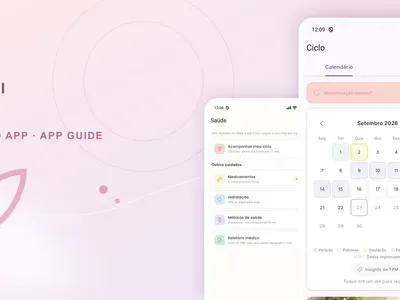
Intense cramps, bloating, fatigue, and irritability affect millions of women every menstrual cycle — and while these symptoms are often treated as inevitable, emerging evidence shows that diet plays a meaningful role in determining their severity.[1] The anti-inflammatory diet is not a trend: it is a food-based strategy with growing scientific support for reducing menstrual pain, supporting management of conditions like endometriosis, and improving overall hormonal wellbeing. Levvi's cycle tracker lets you log symptoms alongside dietary patterns to see which foods actually make a difference for your body over multiple cycles.
What Is Inflammation and Why It Matters for Women
Inflammation is the immune system's natural response to injury and infection — a critical protective mechanism.[1] However, when inflammation becomes chronic and low-grade, it shifts from protective to harmful, contributing to a wide range of conditions including cardiovascular disease, metabolic disorders, autoimmune conditions, and reproductive health problems. For women specifically, chronic low-grade inflammation is directly implicated in the severity of dysmenorrhea (menstrual pain), endometriosis progression, and the intensity of PMS symptoms across cycles.
In menstrual cramps, the primary pain mechanism involves excessive production of prostaglandins — pro-inflammatory molecules that cause uterine muscle contractions.[2] The omega-3 to omega-6 ratio in the diet directly influences which prostaglandins the body produces: omega-6-rich diets (high in processed vegetable oils and ultra-processed foods) promote pro-inflammatory prostaglandin E2, while omega-3-rich diets increase production of anti-inflammatory prostaglandin E3. This is the fundamental dietary lever for reducing menstrual pain through nutrition — and it is modifiable through consistent dietary choices rather than restriction.
Foods That Fight Inflammation
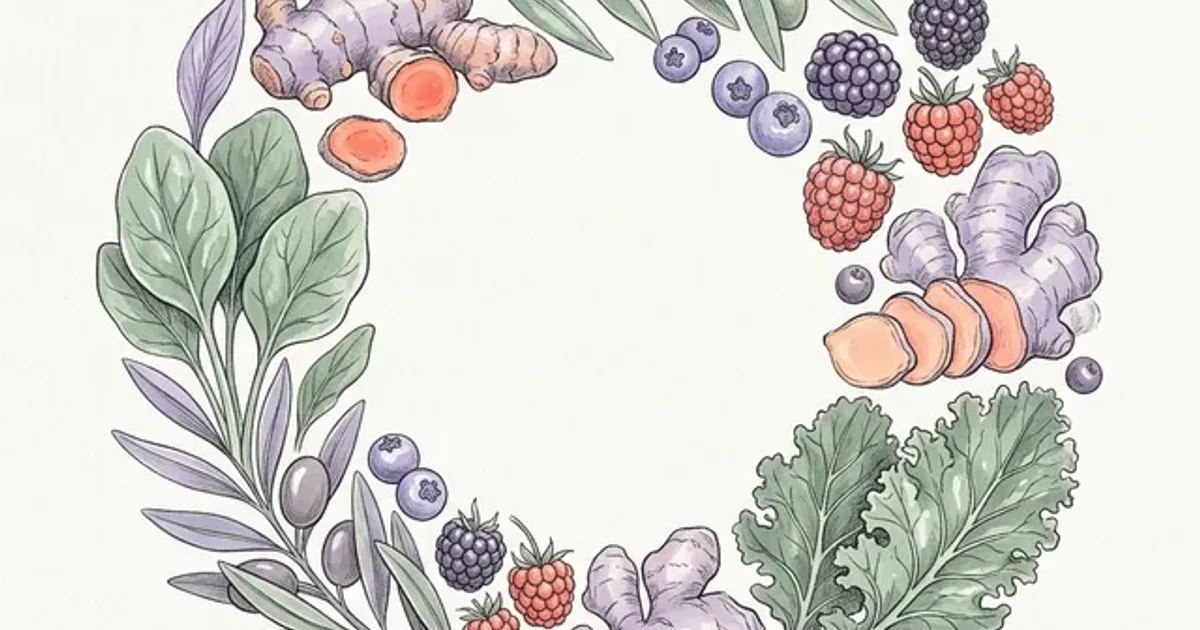
A 2025 narrative review analyzed the relationship between foods with anti-inflammatory potential and menstrual pain severity,[1] identifying key dietary components with the strongest evidence for reducing dysmenorrhea. The pattern that emerges across the research is consistent: a Mediterranean-style diet rich in omega-3 fatty acids, antioxidants, fiber, and micronutrients supports prostaglandin balance and inflammatory modulation in ways that directly reduce menstrual pain intensity over 2 to 3 cycles of consistent adoption.
- Omega-3-rich fish (salmon, sardines, mackerel): reduce pro-inflammatory prostaglandin production — the most direct nutritional intervention for menstrual cramp reduction.
- Berries (blueberries, raspberries, strawberries): rich in anthocyanins and polyphenols with potent antioxidant and anti-inflammatory action at the cellular level.
- Dark leafy greens (spinach, kale, broccoli): excellent sources of magnesium and B vitamins, both of which are depleted during the luteal phase and critical for pain modulation.
- Extra-virgin olive oil: contains oleocanthal, a compound with mechanisms of action similar to ibuprofen — documented in multiple studies for its anti-inflammatory properties.
- Turmeric: curcumin is one of the most studied natural anti-inflammatory compounds, with evidence for reducing inflammatory marker levels when consumed consistently.
- Ginger: studies show ginger supplementation (250-500 mg extract, 4x daily) produces pain relief comparable to ibuprofen for dysmenorrhea — a remarkably strong finding for a dietary supplement.
Anti-Inflammatory Diet and Menstrual Pain
Primary dysmenorrhea affects up to 90% of women of reproductive age and is one of the leading causes of work and school absenteeism among young women.[1] The 2025 narrative review found significant associations between specific dietary patterns and reduced menstrual pain severity: women consuming diets rich in omega-3s, magnesium, vitamin D, and polyphenols consistently reported lower pain intensity scores compared to those consuming diets high in refined carbohydrates and processed foods. The relationship is dose-dependent — more consistent anti-inflammatory eating produces greater symptom reduction.
A Cochrane systematic review evaluated dietary supplements for dysmenorrhea and found promising evidence for several specific nutrients.[2] Omega-3 fatty acids showed consistent effects in reducing both pain intensity and the need for rescue analgesics (pain medications taken during menstruation). Zinc supplementation demonstrated significant reductions in dysmenorrhea severity. Vitamin E showed potential for reducing pain intensity through its antioxidant mechanisms. These findings support targeted supplementation alongside dietary changes for women with moderate to severe menstrual pain.
In practical terms, this means including fatty fish 2 to 3 times per week, using fresh ginger regularly in meals, and maintaining a diet rich in vegetables, legumes, and healthy fats throughout the month — not just during menstruation.[1] The anti-inflammatory diet works cumulatively: consistent choices over multiple cycles produce greater symptom reduction than eating well only during the period itself. Track your symptom severity alongside dietary changes in Levvi to measure your personal response over time.
Nutrition and Endometriosis
Endometriosis is a chronic inflammatory condition affecting approximately 10% of women of reproductive age, causing severe pelvic pain, dysmenorrhea, and infertility in many cases.[3] Managing inflammation is central to symptom management, and diet is increasingly recognized as a meaningful adjunct to medical treatment. A systematic review investigating dietary interventions for endometriosis examined multiple dietary patterns and their relationship to symptom severity and disease progression.
The results indicate that the Mediterranean diet — characterized by high intake of fruits, vegetables, whole grains, legumes, olive oil, and fish — is associated with lower symptom severity and reduced inflammatory markers in women with endometriosis.[3] This pattern provides both the omega-3 fatty acids that modulate prostaglandin production and the antioxidants and fiber that support gut microbiome health — an emerging area of research showing strong bidirectional links between gut dysbiosis and endometriosis severity.
Researchers also highlight the roles of antioxidants and gut microbiota as important mediators between diet and endometriosis outcomes.[3] Women with endometriosis often show disrupted gut microbiomes, and dietary choices that support a diverse, fiber-fed microbiome may reduce systemic inflammation and potentially influence disease activity. This does not mean diet can treat endometriosis — medical treatment remains essential — but it positions dietary change as a meaningful, low-risk complement to any endometriosis management plan.
Supplements with Clinical Evidence
Beyond dietary patterns, specific supplements have demonstrated clinical efficacy in controlled studies for menstrual pain management:
Zinc: a recent meta-analysis published in Nutrients (2024) evaluated zinc supplementation for primary dysmenorrhea.[2] Results showed zinc significantly reduced pain severity scores compared to placebo, with effect sizes comparable to non-steroidal anti-inflammatory drugs in some studies. The proposed mechanism involves zinc's role in prostaglandin synthesis regulation and its anti-inflammatory effects on uterine tissue. Doses used in studies typically ranged from 30-50 mg per day, started before menstruation.
Omega-3 fatty acids: the Cochrane review found evidence that omega-3 supplementation reduces both pain intensity and the need for rescue analgesics during menstruation.[2] Fish oil supplements (providing 1-2 g of EPA+DHA daily) are the most bioavailable form. Women who do not regularly consume fatty fish may benefit most from supplementation. Effects typically become apparent after 2 to 3 cycles of consistent supplementation.
Vitamin E: also evaluated in the Cochrane review, vitamin E demonstrated potential for reducing menstrual pain intensity,[2] likely through its antioxidant effects on prostaglandin synthesis. Studies used doses of 200-500 IU per day. The evidence is less robust than for omega-3s and zinc, but the safety profile of vitamin E supplementation at these doses is favorable.
Important: supplementation should be guided by a healthcare provider who can assess your individual needs, appropriate dosages, and potential interactions with other medications or conditions.
Foods That Increase Inflammation
Equally important as including protective foods is reducing those that amplify the inflammatory cycle.[1] These are not absolute prohibitions — context and dose matter — but consistent reduction of these inputs measurably shifts the body's inflammatory baseline over time:
- Ultra-processed foods: rich in additives, trans fats, refined carbohydrates, and excessive sodium that promote systemic inflammation through multiple mechanisms including gut microbiome disruption.
- Refined sugar: rapidly elevates blood glucose and insulin, stimulating production of pro-inflammatory cytokines and increasing arachidonic acid availability for prostaglandin synthesis.
- Trans and excessive saturated fats: found in fried foods, margarines, and highly processed products — directly promote pro-inflammatory omega-6 prostaglandin production.
- Processed meats: sausages, deli meats, and smoked meats contain compounds — nitrites, advanced glycation end products — that aggravate the inflammatory response.
- Excessive alcohol: impairs liver function and increases inflammatory markers, particularly relevant during menstrual and late luteal phases when hormonal processing is already demanding.
The systematic review on endometriosis reinforces that a Western diet pattern — rich in these foods — is associated with greater symptom severity and disease progression. This is one of the strongest dietary signals in women's health research: what you consistently eat over months and years shapes your inflammatory baseline and, through it, your menstrual experience.
Frequently Asked Questions
How long before the anti-inflammatory diet produces noticeable effects?
Consistent dietary changes generally take 2 to 3 menstrual cycles to produce perceptible reductions in pain intensity.[1] This timeline reflects how long it takes for prostaglandin synthesis patterns to shift in response to changed omega-3 to omega-6 ratios. Single-cycle results are possible but less reliable than the cumulative effect of sustained changes. Track your symptom severity in Levvi across cycles so you can objectively measure whether your dietary changes are producing real differences rather than relying on memory.
Do I need to eliminate all inflammatory foods completely?
No. The goal is not a restrictive diet but a shift in the proportion of anti-inflammatory to pro-inflammatory foods in your regular intake.[1] Gradual, sustainable changes — adding fatty fish twice a week, replacing refined grains with whole grains, increasing vegetable intake — produce cumulative benefit without the psychological burden of elimination diets. Perfectionism in dietary change is often counterproductive; consistency with an 80% anti-inflammatory pattern outperforms 100% adherence for 2 weeks followed by abandonment.
Does the anti-inflammatory diet replace medication for cramps?
No. Nutrition is a complementary strategy and should not replace medical care, especially for severe pain or conditions like endometriosis and PCOS that require professional diagnosis and management.[2] If your menstrual pain is severe, significantly disrupts your daily functioning, or does not improve with dietary and lifestyle changes, consulting a gynecologist is essential. The anti-inflammatory diet can reduce symptom severity and improve quality of life — but it is one tool in a broader toolkit, not a standalone treatment.