
If you have ever felt that your body and mind completely change in the days before your period, know that you are not alone. Premenstrual syndrome (PMS) affects approximately 48% of women of reproductive age and can manifest in highly varied ways: irritability, bloating, fatigue, anxiety, food cravings, and even deep sadness. Despite being extremely common, PMS is still widely misunderstood — both by those who experience it and by healthcare systems.
The Causes of PMS: Beyond Just Hormones
For a long time, PMS was attributed exclusively to estrogen and progesterone fluctuations in the luteal phase. While these hormonal changes are indeed the primary trigger, recent research shows the picture is more complex. A systematic review published in BMC Women's Health found that women with PMS and premenstrual dysphoric disorder (PMDD) show significant disruptions in biological rhythms — including changes in melatonin secretion, body temperature regulation, and sleep architecture.[2] In other words, it is not just the reproductive system involved: the entire biological clock is affected. This discovery matters because it suggests that interventions targeting circadian rhythm regulation — like consistent sleep schedules and natural light exposure — may play a meaningful role in PMS management.
Nutrition and Supplementation: What the Evidence Shows
If any area has advanced significantly in PMS treatment, it is nutrition. A systematic review of randomized controlled trials published in Nutrition Reviews analyzed multiple nutritional interventions and concluded that certain dietary strategies can significantly reduce psychological PMS symptoms including anxiety, depression, and mood swings.[3] Among the most studied nutrients, omega-3 fatty acids stand out. A meta-analysis published in the Journal of Obstetrics and Gynaecology Research showed that omega-3 supplementation can significantly reduce overall PMS symptom severity[4] — through anti-inflammatory mechanisms and influence on prostaglandin production. Other nutrients with promising evidence include calcium, magnesium, and vitamin B6.
Herbal Medicine: The Case of Vitex agnus-castus
Vitex agnus-castus (chaste tree) is one of the most researched herbal remedies for PMS. A systematic review with meta-analysis published in the American Journal of Obstetrics and Gynecology evaluated preparations based on this plant and found moderate evidence that it can be effective in relieving premenstrual symptoms.[1] Vitex works by regulating prolactin and may influence the estrogen-progesterone balance. Despite positive results, researchers emphasize that larger-scale studies are still needed to confirm efficacy and determine optimal doses. Like any herbal remedy, it should be used under professional guidance.
What This Means in Practice
Understanding PMS causes is the first step to managing it better. Science shows there is no single solution, but a combination of strategies that together can make a real difference. The most important thing is knowing your own pattern. Every woman experiences PMS differently, and what works for one may not work for another. Self-knowledge combined with quality information — and consistent symptom tracking over multiple cycles — is the most valuable tool you can have.
How Levvi Can Help
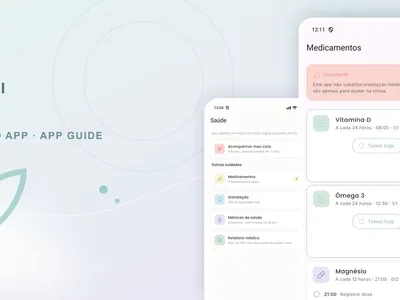
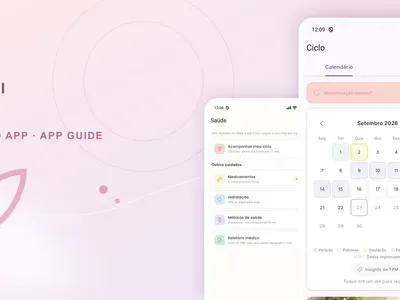
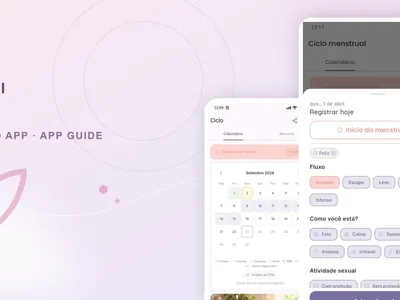
Levvi was designed to help you better understand your body and build routines that respect your cycle. With cycle tracking, you can log your PMS symptoms month after month and identify patterns that might otherwise go unnoticed. Which symptoms appear first? How many days before your period do they start? Do they change in intensity over time? Levvi's PMS Fingerprint feature learns your personal premenstrual pattern after 3 or more tracked cycles, helping you anticipate and prepare. Additionally, with medication reminders, you can set alerts to take supplements recommended by your healthcare provider — like omega-3, magnesium, or vitamin B6 — without worrying about forgetting.
Evidence-Based Tips to Relieve PMS
- Maintain regular sleep schedules: circadian rhythm disruption is directly linked to PMS worsening. Try to sleep and wake at the same times, including weekends.
- Include omega-3 sources in your diet: fatty fish like salmon, sardines, and tuna, plus chia seeds and flaxseed, are rich in this anti-inflammatory nutrient.
- Consider supplementation with professional guidance: calcium, magnesium, vitamin B6, and omega-3 have evidence of efficacy. Discuss appropriate doses with your doctor or nutritionist.
- Track your symptoms: logging how you feel in each cycle phase helps identify patterns and prepare better for more challenging days.
- Exercise regularly: moderate aerobic exercise helps reduce PMS-related anxiety, bloating, and pain.
- Reduce caffeine and salt in premenstrual days: caffeine can increase irritability and anxiety, while excess salt contributes to fluid retention.
Frequently Asked Questions
Is PMS the same as PMDD?
No. Premenstrual dysphoric disorder (PMDD) is a far more intense form of PMS, affecting 3% to 8% of women. While PMS causes moderate discomfort, PMDD can seriously impair quality of life, with severe emotional symptoms including intense depression, anxiety crises, and difficulty concentrating. If you feel your symptoms go beyond what is expected, consult a healthcare professional.
How long does supplementation take to affect PMS?
Most studies show that nutritional and herbal interventions need at least 2 to 3 menstrual cycles to show consistent results. Consistency is essential: taking supplements irregularly will likely not produce the expected benefits.
Does exercise really help with PMS?
Yes. Although it may seem counterintuitive to exercise when experiencing pain or fatigue, evidence indicates that regular physical activity — especially moderate-intensity aerobic exercise — helps reduce both physical and emotional PMS symptoms. Endorphin release during exercise acts as a natural analgesic and improves mood.