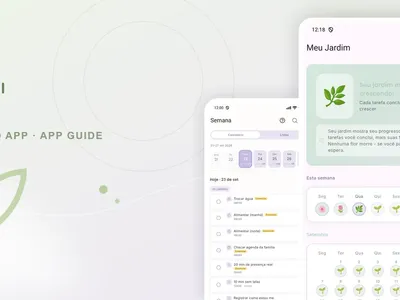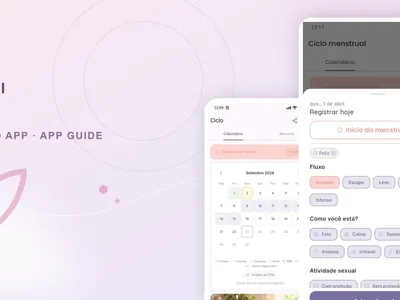

Putting your thoughts and emotions into words isn't just a comforting habit — it's a practice backed by over four decades of scientific research. Since James Pennebaker's pioneering studies in the 1980s, expressive writing has been investigated as a tool for improving mental and physical health. Levvi integrates journaling directly into your daily wellness routine, making it easier to build this evidence-based habit consistently.
What Is Expressive Writing
Expressive writing is a structured journaling technique formalized by psychologist James Pennebaker, the field's most cited researcher. The original protocol is simple: write for 15 to 20 minutes per day, across 3 to 4 consecutive days, about your deepest emotional experiences — without worrying about grammar, spelling, or structure. The goal is unfiltered output, not polished prose.
The core principle is that putting words to experiences we normally keep inside — traumas, worries, fears, inner conflicts — creates an opportunity for cognitive processing. Pennebaker demonstrated across multiple studies that this simple process produced measurable improvements in immune function, mood, and physical health markers. Levvi's journaling prompts are designed around this evidence-based framework, offering 2 to 3 guided questions per day to lower the barrier to starting.
Unlike a traditional diary that logs daily events, expressive writing focuses deliberately on emotions and the meanings we attach to experiences. This distinction is key to understanding why the practice works — it's the emotional depth, not the volume of words, that drives results.
What the Science Shows
Since Pennebaker's initial studies, hundreds of research teams have investigated expressive writing. Systematic reviews and recent meta-analyses confirm the benefits are real and replicable across diverse populations.
Reduced Fatigue and Physical Symptoms
A 2023 systematic review with meta-analysis examined expressive writing in oncology patients and palliative care settings. Results showed significant reductions in fatigue and physical symptoms associated with chronic stress, suggesting the practice has measurable physiological effects beyond mood alone.[1] A separate meta-analysis by Zhou and colleagues evaluated randomized controlled trials specifically and found improvements in quality-of-life indicators and physical health markers. Levvi tracks your daily energy score, making it easy to observe these patterns over time.
Psychological Benefits
A 2024 systematic review and meta-analysis examined the efficacy of positive psychological interventions — including writing practices — and found significant effects on reducing anxiety, depression, and stress, alongside improvements in general wellbeing and quality of life.[3] These findings are important because they show journaling doesn't need to focus exclusively on negative experiences. Combining expressive writing with gratitude or intention-setting can amplify mental health benefits.
In Levvi, the mood and energy tracking features work in parallel with journaling prompts, giving you a data-driven view of how your emotional state shifts over days and weeks. Many users notice patterns they never identified before — including how certain cycle phases amplify anxiety or reduce motivation.
Why It Works: The Mechanisms
Science points to 3 main mechanisms that explain expressive writing's effects:
- Cognitive processing: writing forces the brain to organize chaotic experiences into a coherent narrative. This reduces rumination — the repetitive loop of negative thoughts — by giving those thoughts a defined shape and endpoint.
- Emotional regulation: naming emotions on paper activates prefrontal cortex areas that help modulate emotional responses. This phenomenon, called 'affect labeling,' reduces amygdala activation and lowers the physiological stress response.
- Narrative coherence: transforming fragmented experiences into a story with a beginning, middle, and end reduces the sense of ongoing threat and increases perceived control over your own life — a core driver of resilience.
How to Practice Journaling Effectively
There's no single 'correct' way to journal. The best approach is the one that fits your routine and goals. Research supports 4 methods with varying levels of evidence:
Free writing: set a 15 to 20 minute timer and write without stopping about what you're feeling. Don't reread, don't edit, don't judge. The goal is to let thoughts flow without a filter. This is the method closest to Pennebaker's original protocol and the most scientifically studied format.
Gratitude writing: list 3 to 5 things you're grateful for that day. It can be something small like 'my morning coffee was perfect' or something profound like 'a friend made me feel truly seen.' Research on positive psychological interventions shows this practice reduces depressive symptoms and builds emotional reserves over time.
Cycle reflection: if you track your menstrual cycle, spend a few minutes recording how you're feeling in each phase. Note mood shifts, energy changes, motivation, and physical discomfort. Over 2 to 3 cycles, Levvi's tracking data and your journal entries together reveal patterns that help you plan your week around your biology.
Intention writing: at the start of a day or week, write what you intend to prioritize. Not a task list — a declaration of how you want to feel and act. For example: 'this week I want to be gentler with myself' or 'today I'll respect my energy limits instead of pushing through.' This practice bridges journaling with goal-setting.
Journaling and the Menstrual Cycle
One of journaling's most powerful applications is combining it with menstrual cycle tracking. Hormonal fluctuations across the 4 cycle phases — follicular, ovulatory, luteal, and menstrual — directly influence mood, energy, creativity, and stress tolerance. Levvi maps all of these in a single place, making it easier to connect your written reflections to your hormonal patterns.
In the follicular phase, when energy tends to rise, journaling can focus on intentions and planning. In the luteal phase, when emotional sensitivity increases, expressive writing about feelings can be especially beneficial — research shows this is when journaling has its strongest impact on anxiety reduction. In the premenstrual window, when irritability and worry peak, writing provides a release valve before emotions overflow.
Across 2 to 3 cycles of consistent tracking in Levvi, entries reveal repeating patterns. This awareness lets you anticipate difficult days and plan self-care strategies proactively — instead of being caught off guard by your own emotional swings.
Frequently Asked Questions
Do I need to journal every day?
No. While consistency amplifies benefits, Pennebaker's original research showed results with just 3 to 4 sessions. What matters most is writing with genuine emotional depth when you do journal — not the daily frequency. If you can maintain a regular practice of 2 to 3 times per week, you'll likely notice meaningful changes within 4 to 6 weeks. Levvi sends gentle reminders on your preferred days to help you build the habit without pressure.
Is it better to write by hand or on your phone?
Both work. Some studies suggest handwriting activates more brain areas associated with emotional processing, but research with digital writing also shows significant benefits. The best medium is the one that lowers the barrier to starting. If your phone is always with you and a notebook isn't, journaling digitally in Levvi will produce better outcomes than a beautiful paper journal you rarely open.
I don't know what to write. Where do I start?
Start with a simple question: 'How am I feeling right now?' If the answer is 'I don't know,' write exactly that and keep going from there. Other effective starting points: 'What's occupying my mind?', 'What do I need to let go of?', or 'What brought me joy today?' There are no wrong answers in journaling. Levvi offers 2 to 3 daily prompts tailored to your current cycle phase and mood score, so you're never starting from a blank page.