If you have ever noticed that some weeks of the month you feel full of energy while others you just want to stay in bed, know that this is not weakness or inconsistency. The menstrual cycle is a complex physiological process that influences far more than menstruation itself — it directly shapes your mood, energy, appetite, sleep quality, and how your body responds to exercise.
Understanding what happens in each phase can be transformative. Instead of fighting your own body, you learn to work with it. Science increasingly shows that adapting your routine to your menstrual cycle brings real, measurable benefits for health and wellbeing.
The Four Phases of the Menstrual Cycle
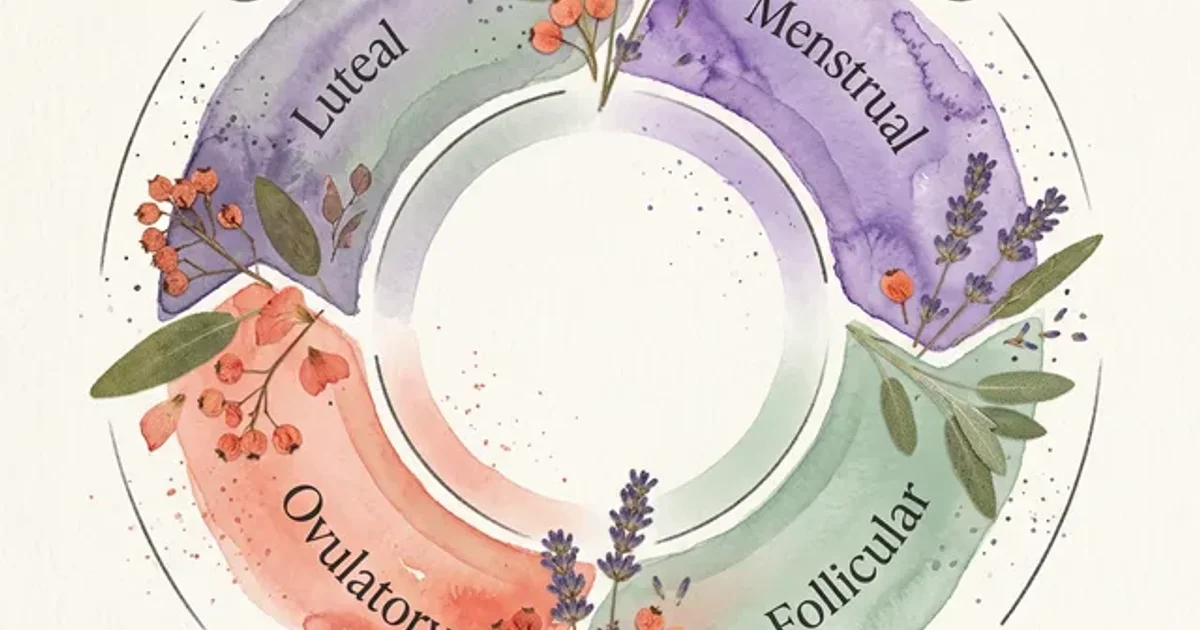
The menstrual cycle lasts an average of 28 days, though cycles ranging from 21 to 35 days are considered normal. It is divided into 4 distinct phases, each with a specific hormonal profile that shapes how you feel and function. A comprehensive review by D'Souza et al. (2023) mapped hormonal fluctuations across the entire cycle, confirming that estrogen and progesterone act as primary regulators of both physical and emotional wellbeing throughout the month.[1]
Menstrual Phase (Days 1-5)
The cycle begins on the first day of menstruation. Estrogen and progesterone are at their lowest points. The endometrium (uterine lining) sheds, causing bleeding. It is common to feel fatigue, cramps, and a natural desire to slow down. This is not laziness — it is your body asking for rest while it renews itself. Research supports prioritizing gentle movement like walking and stretching during these days rather than high-intensity exercise, as the body allocates significant resources to the shedding and renewal process.
Follicular Phase (Days 6-13)
After menstruation ends, estrogen rises gradually. This phase is named after the ovarian follicles that mature under hormonal stimulation. The result is more energy, motivation, and mental clarity. Studies indicate that physical performance may be slightly favored in this phase.[1] A meta-analysis by Kissow et al. (2022) suggests that strength training concentrated in the follicular phase may yield slightly greater muscle gains, though individual variation is substantial.[2] Many women report feeling at their most creative and productive during this 7-8 day window.
Ovulation (Around Day 14)
The estrogen peak triggers the release of the egg. This is generally when many people feel at their best: more confident, sociable, and with higher libido. Ovulation itself lasts about 24 hours, but the fertile window can extend up to 5 days before and 1 day after ovulation. It is the moment when the body is biologically most prepared for reproduction, which is reflected across multiple behavioral dimensions including increased verbal fluency, risk tolerance, and physical attractiveness according to several studies in evolutionary psychology.
Luteal Phase (Days 15-28)
After ovulation, progesterone takes the lead. This phase prepares the body for a possible pregnancy. If fertilization does not occur, hormone levels fall and premenstrual symptoms (PMS) can appear: bloating, irritability, food cravings, and mood changes. A review by Rogan and Black (2023) showed that basal metabolic rate increases in the luteal phase, with the body demanding between 100 and 300 extra calories per day[3] — which explains why hunger increases. This is not a lack of willpower; it is physiology.
What This Means in Practice
Understanding cycle phases is not just about knowing when your period will arrive. This knowledge allows you to adjust your routine intelligently. In the follicular phase, you can harness extra energy to start new projects, schedule important meetings, or increase workout intensity. In the luteal phase, it may be more productive to focus on tasks requiring organization, detail work, and completion rather than creative initiation. A study by McNulty et al. (2020) found that while individual variation is substantial, there is a subtle tendency toward reduced performance early in the luteal phase[1] — reinforcing the value of listening to your body.
How Levvi Can Help
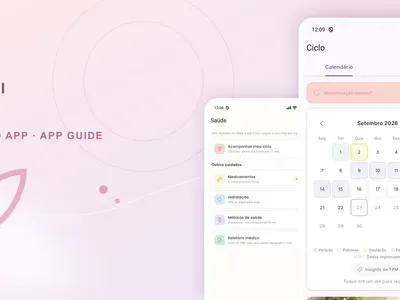
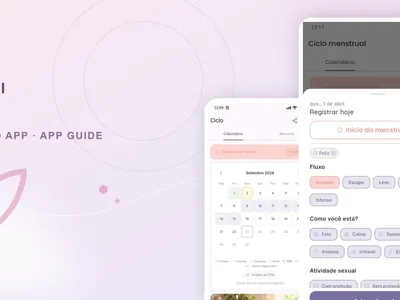
Consistently tracking your menstrual cycle is the first step to understanding your personal patterns. With Levvi's cycle tracker, you can log which phase you are in, record symptoms daily, and observe how your body responds week by week. Over 2-3 cycles, these records reveal personal patterns that help you plan your routine better, anticipate more challenging days, and fully appreciate your high-energy windows. Levvi's Health Hub cross-references your cycle phase with sleep quality, mood, and energy scores — giving you a data-driven picture of how your hormones influence your daily life.
Evidence-Based Tips for Each Phase
- During menstruation: prioritize rest and gentle movement like light walking or stretching. Your body is renewing itself.
- In the follicular phase: use your rising energy for strength training and creative projects that require initiative.
- Around ovulation: invest in social activities and high-intensity workouts — this is typically when energy and confidence peak.
- In the luteal phase: do not feel guilty about increased hunger. Add slightly more calories from fiber-rich, magnesium-dense foods like dark chocolate, almonds, and leafy greens.
- Log symptoms daily: patterns that seem random often follow your cycle rhythm and become predictable with consistent tracking.
- Share your data with healthcare providers: 3+ months of consistent records help with diagnosis and treatment decisions.
Frequently Asked Questions
Is it normal to have irregular cycles?
Variations of a few days are common and can be caused by stress, dietary changes, travel, or shifts in sleep routine. However, if cycles are consistently shorter than 21 days or longer than 35 days, it is worth consulting a gynecologist to investigate potential underlying causes.
Do hormonal contraceptives change these phases?
Yes. Hormonal contraceptives suppress ovulation and alter the natural estrogen and progesterone patterns.[2] People using these methods do not experience the 4 phases in the same way. However, tracking symptoms and wellbeing remains useful for understanding how your body responds to the contraceptive method.
How long does it take to identify my patterns?
Generally, 2 to 3 cycles of consistent logging are enough to start identifying trends. The more detailed your records (mood, energy, physical symptoms, sleep quality), the clearer the patterns become.