
Polycystic ovary syndrome (PCOS) is one of the most common endocrine conditions among women of reproductive age, affecting between 7% and 15% of this population depending on the diagnostic criteria used.[1] Despite being so prevalent, many women live with symptoms for years before receiving an adequate diagnosis. This happens partly because PCOS presents in very varied ways — and partly because its name is misleading.
If you have noticed irregular menstrual cycles, persistent acne, or unexplained weight gain, it is worth understanding what science knows about PCOS and how this knowledge can help you seek answers and better care.
What Is Polycystic Ovary Syndrome?
PCOS is a complex hormonal condition involving an imbalance between reproductive and metabolic hormones. The name can be misleading: having polycystic-appearing ovaries on ultrasound does not necessarily mean you have the syndrome, and not every woman with PCOS has ovarian cysts.[2] In practice, the ovaries produce elevated amounts of androgens (hormones like testosterone), which can interfere with ovulation and generate a range of symptoms. Insulin resistance also plays a central role in PCOS, being present in many women with the condition — even those without obesity.[4]
How Is PCOS Diagnosed?
The most widely used international standard is the Rotterdam criteria, which requires at least 2 of the following 3 signs:[1]
- Oligo-ovulation or anovulation: irregular menstrual cycles that are very long (over 35 days) or absent.
- Clinical or laboratory hyperandrogenism: excess androgens that may manifest as persistent acne, hair loss, or excessive hair growth (hirsutism).
- Polycystic ovaries on ultrasound: 12 or more small follicles in at least one ovary, or increased ovarian volume.
Other conditions must be ruled out before confirming PCOS — including thyroid problems, congenital adrenal hyperplasia, and hyperprolactinemia. Diagnosis must always be made by a healthcare professional.[2]
PCOS Is Not a Single Condition
There are different PCOS phenotypes, which explains why each woman's experience can be so different. Some have irregular cycles and excess androgens with no ultrasound findings. Others may have polycystic ovaries and irregular cycles without clinical hyperandrogenism signs. This diversity of presentations reinforces the importance of individualized evaluation — standardized approaches that work for one phenotype may not be appropriate for another.
Evidence-Based Treatments
There is no cure for PCOS, but there are effective strategies for managing symptoms and reducing long-term risks. The approach depends on each woman's goals and needs.
Lifestyle Changes: The First Line
All current clinical guidelines identify lifestyle changes as the first and most important step in PCOS management.[1] Modest weight loss of 5% to 10% of body weight can significantly improve insulin resistance, regulate menstrual cycles, and reduce androgen levels. Regular physical activity and a balanced diet focused on low-glycemic index foods, lean proteins, and fiber are the cornerstones. These changes address the underlying metabolic dysregulation rather than just managing symptoms.
Pharmacological Treatment
When lifestyle changes are insufficient, pharmacological treatment may include: combined hormonal contraceptives to regulate cycles, reduce androgens, and protect the endometrium. Metformin to improve insulin sensitivity and help regulate the cycle, especially in women with insulin resistance.[4] Spironolactone for treating hirsutism and acne. Ovulation inducers such as letrozole or clomiphene for women who wish to conceive.[3] Recent research has also investigated GLP-1 receptor agonists as a promising approach for PCOS with obesity.
What This Means in Practice
PCOS is not just a reproductive issue. Women with the syndrome have higher risk of developing type 2 diabetes, cardiovascular disease, sleep apnea, and mental health conditions like anxiety and depression.[1] Early diagnosis is essential because it allows intervention before complications develop. With quality information and appropriate care, it is entirely possible to live well with PCOS.
How Levvi Can Help
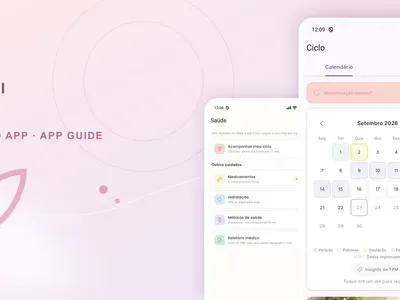
One of the first steps to understanding PCOS in your own body is observing your menstrual cycle patterns. Cycles that are very long, very short, or unpredictable can be a signal worth investigating. With Levvi's cycle tracker, you can log your cycle duration, identify irregularities over months, and have concrete data to share with your doctor. Consistent records significantly improve clinical consultations and help your healthcare provider make more informed decisions about your care.
Evidence-Based Daily Tips
- Track your menstrual cycle: note the start and end date of each period, flow intensity, and symptoms like cramps, acne, or mood changes. Patterns become clearer over time.
- Prioritize low-glycemic index foods: whole grains, legumes, vegetables, and lean proteins help maintain more stable insulin levels throughout the day.
- Include regular physical activity: walking, yoga, and moderate strength training show benefits for insulin sensitivity and hormonal regulation.
- Protect your sleep: sleep quality directly influences hormone levels and insulin resistance. Maintain consistent bedtimes and wake times.
- Manage stress: elevated cortisol can worsen PCOS hormonal imbalances. Meditation, conscious breathing, and regular breaks make a difference.
- Bring your records to appointments: organized data about your cycle, symptoms, and habits facilitates diagnosis and ongoing care.
Frequently Asked Questions
Does having polycystic ovaries on ultrasound mean I have PCOS?
Not necessarily. Many healthy women have polycystic-appearing ovaries on ultrasound without having the syndrome. PCOS diagnosis requires at least 2 of 3 Rotterdam criteria, and other causes must be ruled out.[2]
Does PCOS affect fertility?
PCOS is one of the most common causes of anovulatory infertility, but this does not mean women with PCOS cannot become pregnant. With appropriate treatment, many women with PCOS successfully conceive.[3]
Can women of normal weight have PCOS?
Yes. Although obesity is frequently associated with PCOS, women within a healthy weight range can also develop the condition. Insulin resistance can be present regardless of body weight.[4]