Levvi Editorial
Science & Life
Real research. Routines that work.
Showing 25–48 of 72 articles · Page 2 of 3

 Scientific study
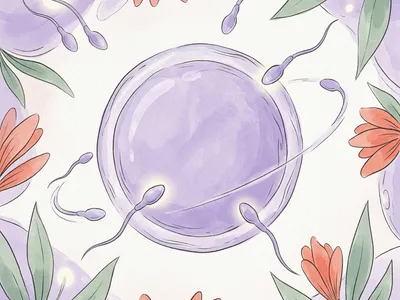
Egg Biology and Male Fertility: What You Need to Know to Maximize Your Chances of Conception
The fertile window is only 6 days per cycle, and the egg survives just 12 to 24 hours. Learn how sperm survival, cervical mucus, male age, and lifestyle combine to determine your real conception odds.
· April 8
 Scientific study
Stress, Cortisol, and Sperm Quality: What Science Says About Male Fertility
Chronic stress raises cortisol, suppresses testosterone, and damages sperm DNA. Understand the exact mechanism and what you can do now to protect your fertility.
· April 8
 Scientific study
Alcohol and Male Fertility: What That Beer Does to Your Sperm
Alcohol reduces testosterone, worsens sperm motility and morphology, and increases DNA damage in sperm. Learn the mechanisms and what science says about how much is too much when trying to conceive.
· April 7
 Scientific study
Folic Acid and Male Fertility: What the Partner Should Take
Low seminal folate increases sperm DNA fragmentation and reduces conception chances. Learn what science says about folic acid supplementation for men trying to become fathers.
· April 7
 Scientific study
Heat and male fertility: what we know about temperature
See what research shows about heat, sperm production, and practical ways to reduce unnecessary exposure.
· April 7
 Scientific study
Hair Loss in Women: Causes and When to Investigate
Female hair loss affects more than 50% of women over their lifetime. Understand the main causes — from iron deficiency to hormonal changes — and know when to seek help.
· March 26
 Scientific study
Eye Health in the Digital Age: Essential Care
Computer vision syndrome affects at least 50% of regular screen users. Learn the symptoms, causes, and proven strategies to protect your eyes from digital eye strain.
· March 26
 Scientific study
Music and Mental Health: What Science Says
Music therapy reduces depression and anxiety symptoms with small to large effect sizes. Listening to music lowers cortisol and improves mood. See what science says about the therapeutic power of music.
· March 26
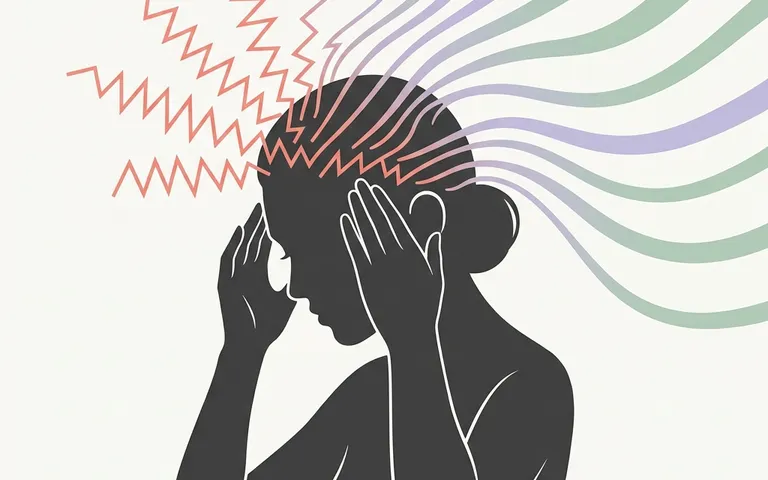 Scientific study
Tension Headache: Causes, Triggers, and Relief
Tension headache is the most common type of headache, affecting up to 38% of the global population. Learn the mechanisms, main triggers, and evidence-based treatment options.
· March 26
 Scientific study
Diaphragmatic breathing: the simplest technique against stress
Diaphragmatic breathing reduces cortisol, heart rate, and anxiety in minutes. See what science says about this accessible technique and how to practice it every day.
· March 26
 Scientific study
Melatonin for sleep: what works, what doesn't, and how to use it
Melatonin is the world's most popular sleep supplement, but not everything said about it is true. See what science confirms about its efficacy, ideal dosage, and safety.
· March 26
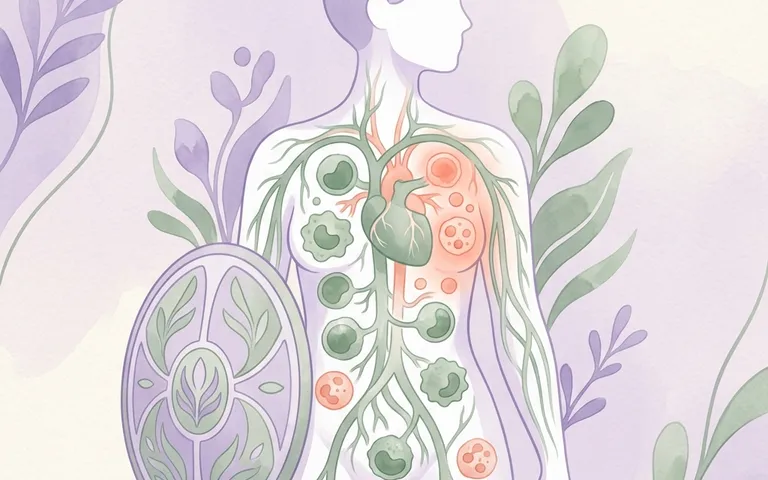 Scientific study
Autoimmune diseases: why women make up 80% of cases
About 80% of autoimmune disease cases occur in women. Science points to hormones, X chromosome genetics, and epigenetic factors as explanations. Understand why the female immune system is more reactive.
· March 26
 Scientific study
Postpartum depression: signs, risk factors, and where to get help
Postpartum depression affects about 14% of mothers and can be identified early. Learn the signs, risk factors, and evidence-based treatment options that make a real difference.
· March 26
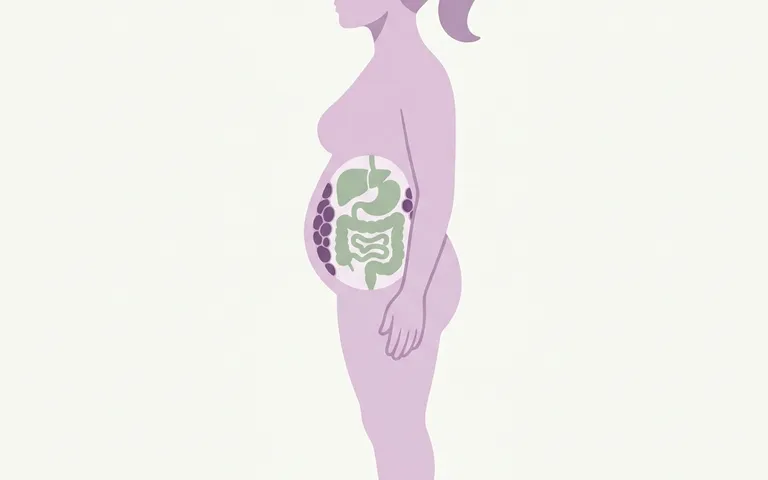 Scientific study
Visceral fat: the hidden health risk and how to reduce it
Visceral fat surrounds your internal organs and raises the risk of cardiovascular and metabolic disease. Learn how to identify, measure, and reduce this type of fat with evidence-based strategies.
· March 26
 Scientific study
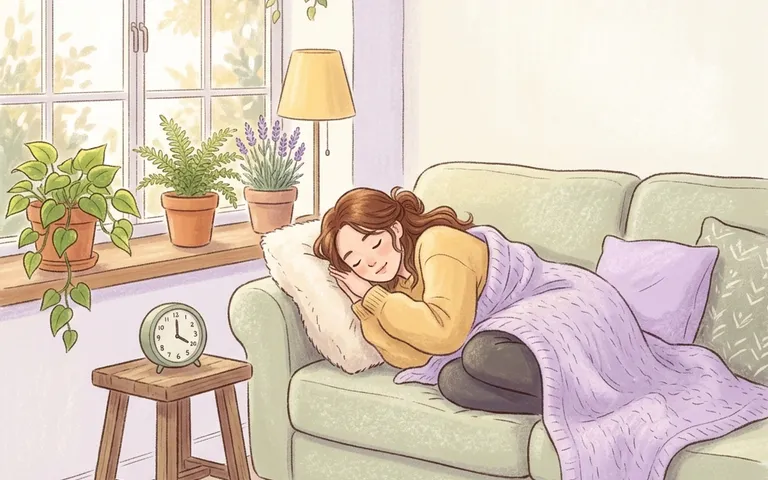
Napping: benefits, limits, and the ideal nap length
Napping between 10 and 30 minutes improves alertness by up to 29%. But longer naps can cause sleep inertia. Here is what science says about the ideal nap length and when napping does more harm than good.
· March 26
 Scientific study
Sedentary Behavior and Pain: How Lack of Movement Affects Your Body
Sedentary behavior increases risk of chronic pain, cardiovascular disease, and mortality. See what more than 1 million study participants reveal about the effects of prolonged sitting — and what it takes to reverse them.
· March 26
 Scientific study
Anxiety: What Happens in Your Body and How to Cope
Anxiety triggers real physical symptoms: racing heart, muscle tension, digestive issues. Understand the neurobiology behind these reactions and evidence-based strategies to manage them.
· March 26
 Scientific study
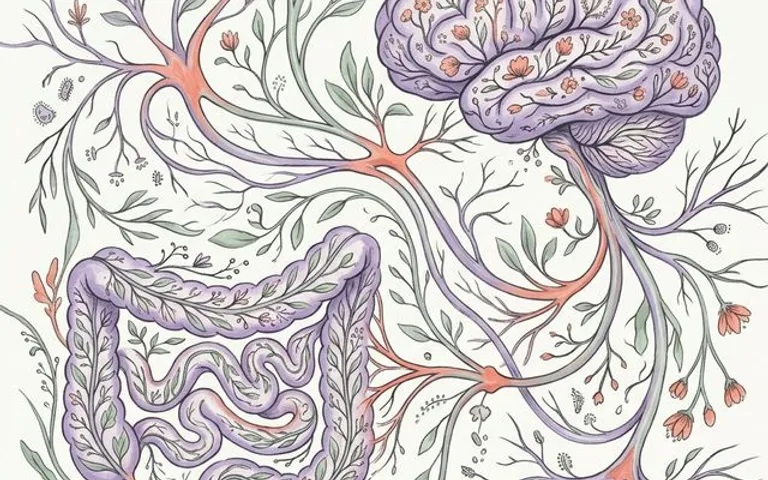
Gut-Brain Axis: How Your Gut Affects Your Mood
About 95% of serotonin is produced in the gut, not the brain. Discover what science says about the gut-brain axis, the role of probiotics, and how food choices can support your emotional well-being.
· March 26
 Scientific study
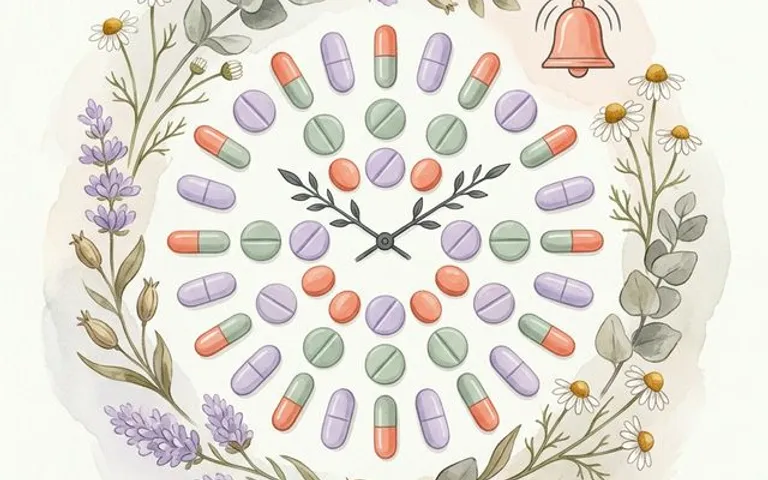
Medication Adherence: Why We Forget and How Apps Help
About 50% of patients with chronic conditions don't take medications as prescribed. Meta-analyses show that mobile apps with smart reminders can significantly improve adherence — and the evidence is stronger than you'd expect.
· March 26
 Scientific study
Micro-Meditation: Why Just 5 Minutes Already Makes a Difference
Short meditation sessions are trending in 2026. Studies show sessions as brief as minutes improve attention, memory, and positive affect. Perfect for low-energy days in Levvi.
· March 25
 Scientific study
Mindfulness for PMS: Relieve Symptoms with Mindful Practice
Women with PMDD have significantly lower mindfulness levels. Studies show mindfulness reduces cortisol in the luteal phase and improves premenstrual mood. See how to practice.
· March 25
 Scientific study
Meditation for Sleep: Science-Backed Techniques That Work
A meta-analysis of 1,654 participants confirms meditation improves sleep quality. A pilot study shows bedtime meditation apps reduce insomnia. See practical techniques you can use tonight.
· March 25