
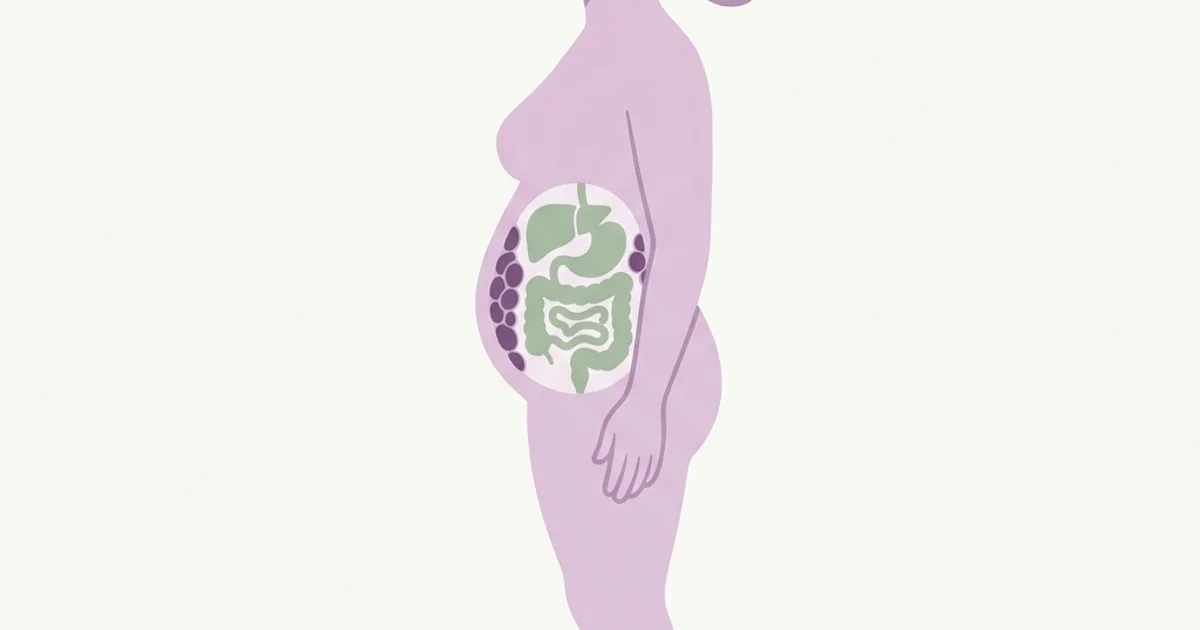
Visceral fat is the type of fat that accumulates around internal abdominal organs — the liver, pancreas, and intestines. Unlike subcutaneous fat, which sits just below the skin and can be pinched, visceral fat is invisible to the naked eye. You can have a weight considered normal and still carry excess visceral fat. The Framingham Heart Study, with 3,001 participants, found that visceral fat is independently associated with hypertension, diabetes, and metabolic syndrome, even after adjusting for BMI.[1] This article explains what science knows about this silent risk and how Levvi can help you monitor your health.
What is visceral fat and why is it dangerous
Visceral fat is a metabolically active adipose tissue that releases inflammatory substances into the bloodstream. While subcutaneous fat mainly serves as an energy reserve, visceral fat produces pro-inflammatory cytokines, free fatty acids, and hormones that interfere with glucose and lipid metabolism. The Framingham study showed that visceral fat increases the risk of insulin resistance 2 to 3 times more than the same amount of subcutaneous fat.[1] This happens because visceral fat drains directly into the liver via the portal vein, overloading hepatic metabolism. Levvi's Body domain in the Health Hub lets you track metrics like weight and trends over time, making gradual changes visible before they go unnoticed.
How to tell if you have excess visceral fat
Waist circumference is the most accessible way to estimate visceral fat in everyday life. According to the World Health Organization, values above 80 cm (31.5 in) in women and 94 cm (37 in) in men indicate increased metabolic risk. A 2022 cross-sectional study using metabolic syndrome criteria confirmed that waist circumference correlates significantly with visceral fat area measured by CT scan.[4] BMI alone is not enough to identify this risk, since people with normal weight can have high visceral accumulation — a condition known as "normal weight obesity." Imaging exams like CT and MRI are more precise but rarely needed for initial assessment. Levvi lets you log body measurements in the Health Hub, building a visual history that helps you spot trends and discuss them with your doctor.
Visceral fat and women's health: the role of hormones
Estrogen has a protective effect against visceral fat accumulation during reproductive years. Before menopause, women tend to store fat primarily in subcutaneous regions around the hips and thighs. With estrogen declining during perimenopause and menopause, there is a significant redistribution of body fat toward the visceral abdominal area. A 2023 review on obesity and menopause showed that postmenopausal women have 44% more visceral fat compared to the premenopausal period.[3] This shift raises the risk of metabolic syndrome, type 2 diabetes, and cardiovascular disease. Polycystic ovary syndrome (PCOS) is also associated with greater visceral fat, independent of total weight. Tracking body changes in Levvi over the years helps you notice these hormonal transitions more clearly.
Evidence-based strategies to reduce visceral fat
The combination of the Mediterranean diet and physical activity has the strongest scientific evidence for reducing visceral fat. The PREDIMED-Plus clinical trial, with over 600 participants, showed that a calorie-reduced Mediterranean diet combined with exercise produced significant visceral fat reduction after 12 months.[2] Moderate-intensity aerobic exercise — such as brisk walking for 150 minutes per week — is particularly effective for visceral fat, more so than caloric restriction alone. Resistance training also contributes by increasing muscle mass and resting energy expenditure. Practical strategies include prioritizing whole foods, reducing ultra-processed foods, maintaining regular sleep of 7 to 9 hours, and managing chronic stress. Levvi makes it easy to create recurring self-care tasks — exercise, meal prep — adapting the load to your energy mode each day.
Conclusion
Visceral fat is a real and silent health risk, especially for women during hormonal transitions. The good news is that it responds well to lifestyle changes: balanced nutrition, regular exercise, and adequate sleep make a measurable difference. Monitoring your waist circumference, tracking metrics in Levvi, and maintaining consistent habits are concrete steps toward protecting your metabolic health long-term.