
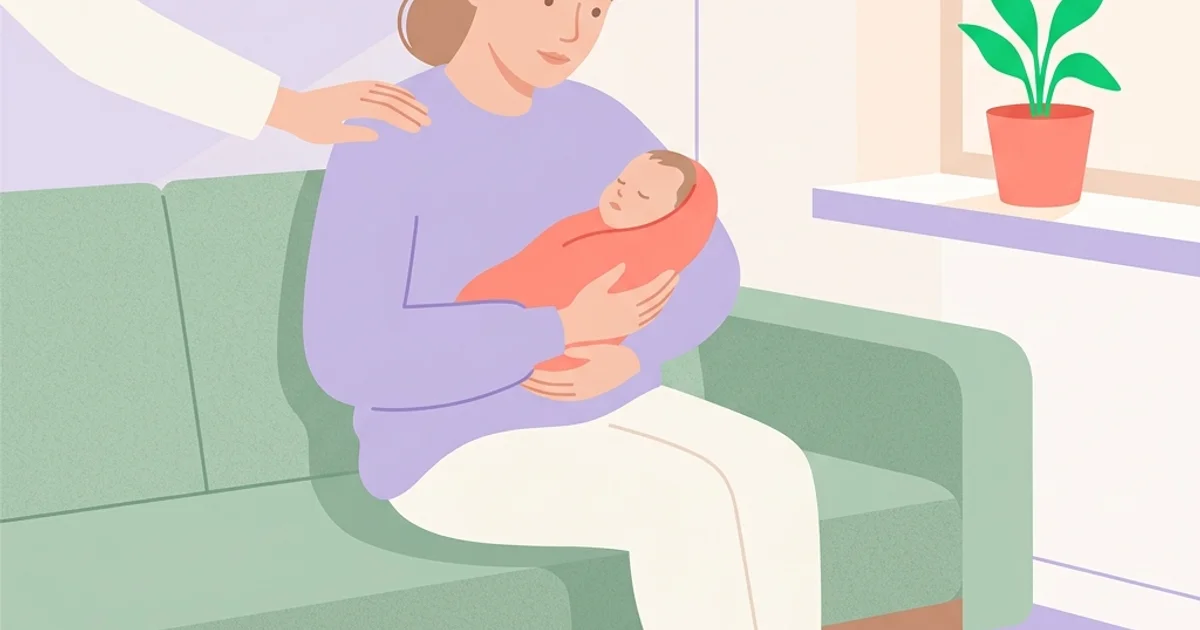
Postpartum depression is a mood disorder that goes far beyond the sadness expected in the first days after birth. Affecting roughly 14% of mothers, it harms the mother-baby bond, the woman's health, and infant development when not caught in time. Science shows that early screening and appropriate treatment make a significant difference in outcomes. Knowing the signs is the first step to getting help.
How postpartum depression differs from the baby blues
Postpartum depression is a clinical disorder distinct from the baby blues, which affects up to 80% of new mothers in the first 10 days and resolves on its own. While the baby blues involves easy crying, mild irritability, and passing mood swings, postpartum depression persists for weeks or months with intense symptoms: deep sadness, loss of interest in the baby, severe insomnia, and thoughts of self-harm.[2] The meta-analysis by Liu et al. (2022) found a global prevalence of 14%, ranging from 5% to 26% across countries, with higher rates in developing nations.[1]
Risk factors identified by science
Postpartum depression results from a combination of biological, psychological, and social factors that can be assessed during prenatal care. A Brazilian study by Oliveira et al. (2022) identified significant risk factors: low household income, multiple previous births, history of emotional disorders, dissatisfaction with the pregnancy, and psychological aggression by a partner.[3] Shovers et al. (2021) add that mothers of babies admitted to a neonatal ICU have a prevalence of up to 40% — double the general population.[4] Levvi's energy modes help you respect your body's limits on hard days, focusing only on essential tasks when your energy is low.
Screening and early diagnosis
Universal screening is the most effective strategy for identifying postpartum depression before symptoms worsen. The Edinburgh Postnatal Depression Scale (EPDS) is the most widely used instrument worldwide, with 10 self-administered questions and a cut-off score of 12 or above as a depression indicator.[3] Wells (2023) highlights that screening should occur both during prenatal care and at postnatal appointments, since symptoms can emerge up to 12 months after birth.[2] Suicide is one of the leading causes of maternal death in the first postpartum year, underscoring the urgency of early detection. In Levvi, the task system lets you schedule reminders for follow-up appointments and periodic mental health check-ins.
Treatment: therapy and medication
Treating postpartum depression is effective and safe, with options including psychotherapy, medication, and social support interventions. Cognitive behavioral therapy (CBT) and interpersonal therapy are considered first-line treatments, especially for mild-to-moderate cases.[5] For moderate-to-severe cases, selective serotonin reuptake inhibitor (SSRI) antidepressants such as sertraline are safe during breastfeeding, with minimal transfer to breast milk. Levvi supports treatment adherence with medication reminders and alarms that respect your registered sleep schedule.
Impact on the baby and the family
Untreated postpartum depression affects a baby's development in ways that can persist for years — from cognitive changes to emotional difficulties. Pearlstein et al. (2009) documented that children of mothers with postpartum depression face higher risks of behavioral problems, language delays, and attachment difficulties.[5] Shovers et al. (2021) warn that the effects extend to siblings and partners, increasing family conflict and the risk of paternal depression.[4] Caring for maternal mental health is, therefore, an investment in the health of the whole family. Levvi's Health Hub lets you track wellbeing indicators like sleep and energy, creating a useful record to share with healthcare professionals during follow-up.
Conclusion
Postpartum depression is a serious, common, and treatable condition. Recognizing the signs — persistent sadness, loss of interest, sleep changes, and recurring negative thoughts — is essential to seeking help in time. If you or someone close to you is going through this, please reach out to a healthcare professional. You deserve support.