
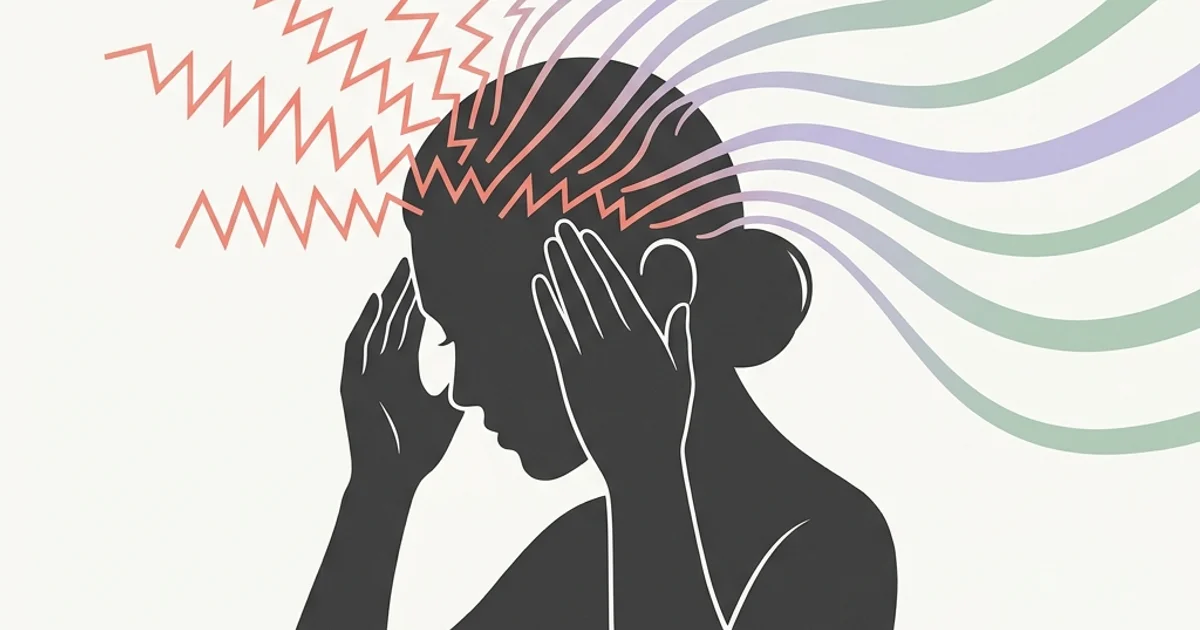
Tension headache is the most common primary headache — one not caused by another medical condition. Characterized by bilateral, pressing or tightening pain of mild to moderate intensity, it affects millions of people and creates significant socioeconomic costs through lost productivity. Despite often being dismissed as "just a headache," the chronic form can cause considerable suffering. Science offers proven treatment and prevention options that go well beyond pain relievers.
Prevalence and impact: more than just a headache
Tension headache affects approximately 38% of the global population, making it the most prevalent neurological disorder according to the International Classification of Headache Disorders.1 A review published in JAMA reported that up to 90% of people in the US experience some type of headache in their lifetime, and that tension headache is the most underdiagnosed. Migraine, though less prevalent at 12%, is more individually disabling, but the population burden of tension headache is enormous due to its frequency. Patients with daily or near-daily attacks can experience significant suffering and functional limitation. Levvi's preservation energy mode lets you reduce your task list to the essentials on pain days, removing the pressure to maintain normal productivity.
Mechanisms: what causes tension headache
Tension headache involves both peripheral and central mechanisms, with central sensitization playing a crucial role in the transition from episodic to chronic form.1 In the episodic form, pain likely originates in pericranial myofascial structures such as the temples, neck, and shoulders. Prolonged muscle tension, psychological stress, and poor posture activate local nociceptors. In the chronic form, second-order neurons in the dorsal horn become sensitized, amplifying pain signals that would normally be harmless. This process explains why chronic patients feel pain from stimuli that would cause no discomfort in people without the condition. Amitriptyline, the main preventive medication, works precisely by modulating central pain processing.5 In Levvi, tracking frequency and intensity of attacks helps you identify whether the pattern is becoming chronic.
Common triggers and the hormonal link in women
Identifying triggers is a core part of managing tension headache, and women face additional triggers tied to hormonal fluctuations across the menstrual cycle.4 The most documented triggers include emotional stress, sleep deprivation, prolonged poor posture, dehydration, and skipping meals. Women are more affected by headaches in general, with higher prevalence than men in population studies. The drop in estrogen during the pre-menstrual phase can act as an additional trigger. Keeping a headache diary is recommended by international guidelines to identify individual patterns. Levvi lets you log symptoms in the cycle diary and cross-reference hydration and sleep data, creating a personalized trigger map you can share with your doctor.
Evidence-based acute and preventive treatment
Tension headache treatment is divided into acute (for attacks) and preventive (to reduce frequency), with solid evidence for both approaches.3 For acute attacks, simple analgesics such as ibuprofen, acetaminophen, and aspirin are first-line, with proven efficacy in multiple clinical trials. Combining an analgesic with caffeine may increase effectiveness. Frequent analgesic use — more than 10 to 15 days per month — can cause medication-overuse headache, worsening the condition. For prevention, amitriptyline has the strongest evidence, with documented efficacy in multiple double-blind placebo-controlled studies.5 Levvi manages preventive medication alarms with personalized schedules, ensuring daily treatment adherence.
Non-pharmacological approaches with evidence
Non-pharmacological treatments should always be considered in tension headache management, especially when attacks are frequent.3 EMG biofeedback has documented effect on reducing attack frequency and intensity, teaching patients to recognize and release muscle tension. Cognitive behavioral therapy and relaxation training are probably effective, though the evidence base is more limited. Physical therapy and acupuncture may be valid options for patients with frequent attacks. Basic guidance includes stress management, sleep hygiene, and regular physical activity. In Levvi, self-care tasks such as stretching, breathing breaks, and hydration can be organized with recurring reminders, building a preventive routine against headaches.
Conclusion
Tension headache is the world's most common headache and deserves medical attention when it becomes frequent. Its mechanisms involve peripheral muscle tension and central sensitization, with triggers including stress, posture, dehydration, and — in women — hormonal fluctuations. Simple analgesics treat attacks, but overuse can worsen the condition. Preventive approaches such as amitriptyline, biofeedback, and stress management have solid evidence. Tracking attacks and identifying personal triggers is the first step toward effective management.