Levvi Editorial
Science & Life
Real research. Routines that work.
Showing 25–48 of 96 articles · Page 2 of 4







 Scientific study
Early pregnancy ultrasound
Weeks 11–14 imaging for dating, viability, and the start of structured fetal assessment.
· May 21
 Scientific study
Group B Streptococcus in pregnancy
Why screening around weeks 35–37 matters, how it is collected, and what a positive result means for birth planning.
· May 21
 Practical routine
Vaccines during pregnancy: Tdap, hepatitis B, flu
Which immunizations are recommended while pregnant, when to receive them, and what to avoid until after delivery.
· May 21
 Wellbeing
Fetal movements: baseline habits and warning signs
From first flutters to formal kick counts — what is usually normal and when to call your care team the same day.
· May 21
 Scientific study
Glucose screening in pregnancy (OGTT): when and how
The 75 g oral glucose tolerance test between 24 and 28 weeks — fasting rules, result thresholds, and next steps if values are high.
· May 21
 Scientific study
Anatomy scan in pregnancy: timing and preparation
Why the mid-pregnancy ultrasound matters, what it looks at, and how to book it without missing the recommended window.
· May 21
 Practical routine
Prenatal visits: how often and what to expect
Monthly, then biweekly, then weekly visits — what changes each trimester and how to arrive prepared with your questions.
· May 21
 Practical routine
Prenatal lab tests: what to order and when
A practical timeline of prenatal blood work, imaging, and screenings by gestational week — so you know what to ask for at each visit.
· May 21
 Scientific study
Implantation: when it happens and when to test
Learn about the observed window after ovulation, why symptoms cannot confirm implantation, and how to interpret an early test.
· April 11
 Scientific study
Vitamin D and Fertility: What Science Found About the Ovary
81% of Brazilian women of reproductive age are deficient or insufficient in vitamin D. Understand how this hormone acts directly on the ovary, follicles, and IVF outcomes.
· April 8
 Scientific study
CoQ10 and Egg Quality: The Antioxidant That Protects Your Eggs
CoQ10 is the antioxidant with the strongest clinical evidence for improving egg quality. Learn how it protects mitochondria, which dose to use, when to start, and what the latest studies show.
· April 8
 Practical routine
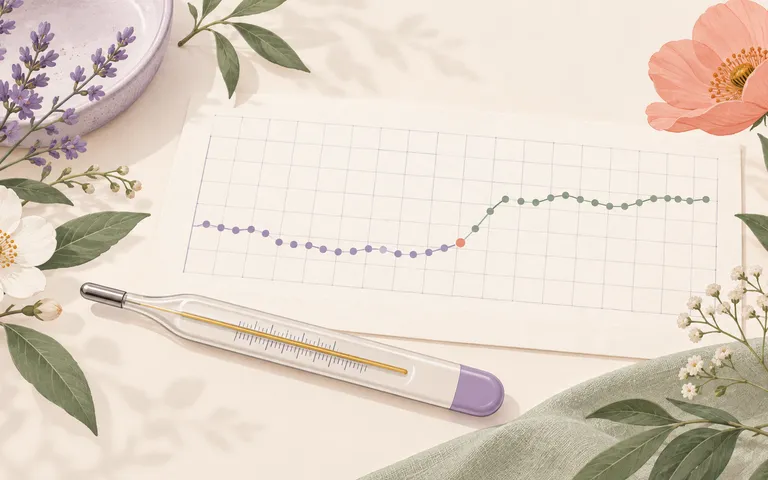
Basal body temperature and ovulation: what a BBT chart shows
Learn how to measure basal body temperature, confirm ovulation after it happens, and combine BBT with other cycle signs.
· April 8
 Scientific study
Cervical Mucus as a Fertility Sign: What Texture Reveals About Your Cycle
Cervical mucus changes texture and color throughout the cycle, reflecting your hormones. Learn the 5 types, what each one means, and how to pinpoint your fertile window with precision.
· April 8
 Scientific study
Fertility Myths and Facts: Position, Lubricant, and Underwear
Does sexual position matter? Is boxer underwear better? Is morning sex more effective? We debunk 6 popular fertility myths and verify 2 facts with peer-reviewed evidence.
· April 8
 Scientific study
How often should you have sex to get pregnant? Evidence-based timing
Learn how the fertile window, intercourse frequency, and app predictions fit together when trying to conceive.
· April 8
 Practical routine
Positive OPK: What Happens Next and When to Act
Your ovulation test is positive — now what? Understand what the LH surge means, how long until ovulation happens, and the exact window to try to conceive.
· April 8
 Scientific study
Stress and Female Fertility: How Cortisol Disrupts Ovulation
Stress can come along with your cycle. If the wait feels heavy, talk to a health professional. See what studies observe about stress and ovulation, and how to care for yourself without guilt.
· April 8
 Scientific study
Folic Acid Before Pregnancy: Why You Need to Start Early
Your baby's neural tube closes 28 days after conception — before you even know you're pregnant. Learn why 400 mcg of folic acid daily should start at least 3 months before trying to conceive.
· April 8
 Scientific study
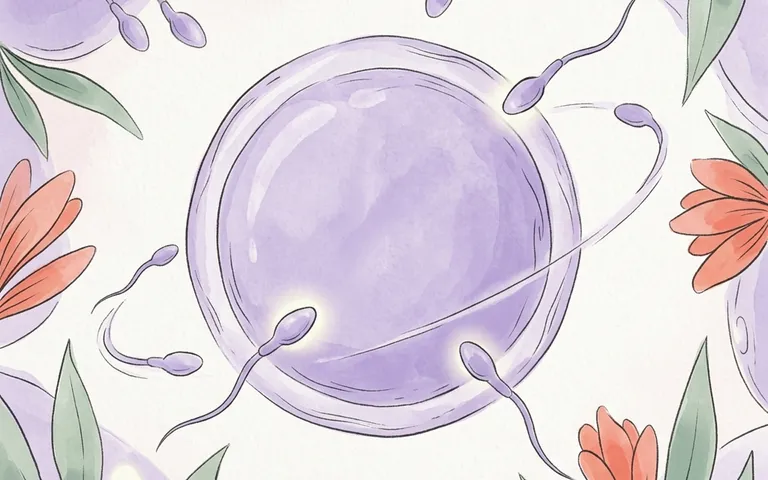
Egg Biology and Male Fertility: What You Need to Know to Maximize Your Chances of Conception
The fertile window is only 6 days per cycle, and the egg survives just 12 to 24 hours. Learn how sperm survival, cervical mucus, male age, and lifestyle combine to determine your real conception odds.
· April 8
 Wellbeing
The Partner's Role When Trying to Conceive: Emotional Support and Fertility
Partner support during TTC reduces cortisol, lowers anxiety, and improves treatment outcomes. Learn what the science says and how to act in concrete ways.
· April 8
 Scientific study
Stress, Cortisol, and Sperm Quality: What Science Says About Male Fertility
Chronic stress raises cortisol, suppresses testosterone, and damages sperm DNA. Understand the exact mechanism and what you can do now to protect your fertility.
· April 8
 Scientific study
Alcohol and Male Fertility: What That Beer Does to Your Sperm
Alcohol reduces testosterone, worsens sperm motility and morphology, and increases DNA damage in sperm. Learn the mechanisms and what science says about how much is too much when trying to conceive.
· April 7