
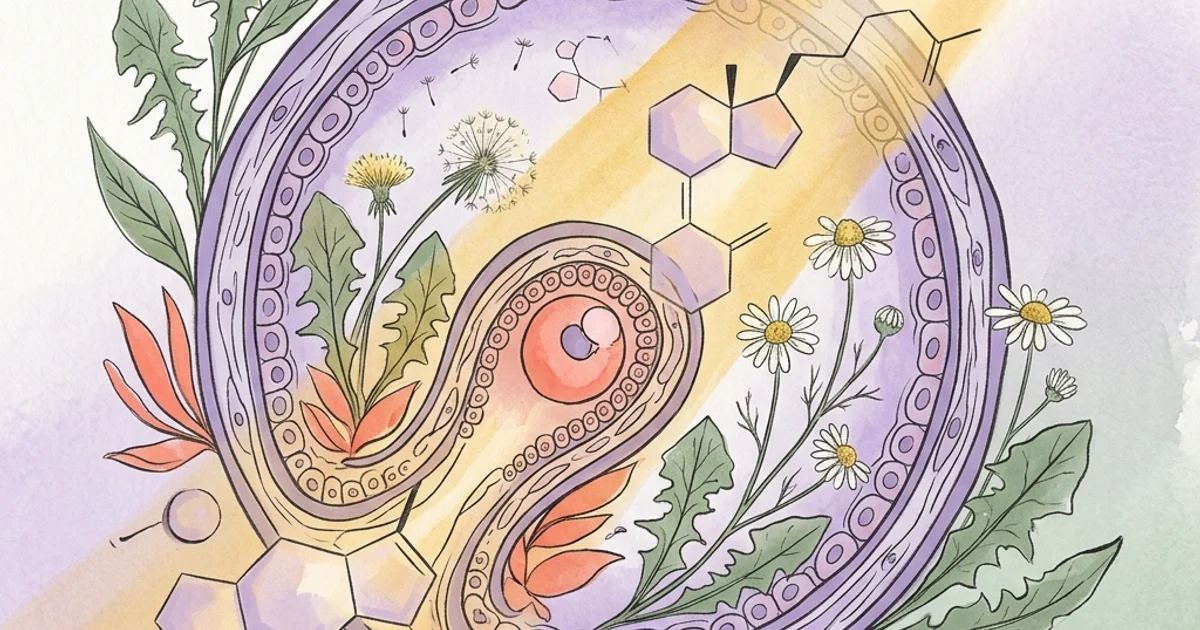
If you are trying to get pregnant, you have probably heard about folic acid, iron, and progesterone. But vitamin D? This hormone — yes, technically it is a hormone — rarely appears on fertility nutrient lists. And that is a problem, because 81.1% of Brazilian women of reproductive age present some degree of vitamin D deficiency or insufficiency [1]. Research over the past two decades has revealed that the ovary has specific receptors for vitamin D and that these receptors directly influence follicle development, oocyte quality, and even IVF outcomes. This article brings together the most solid evidence in the literature — so you can arrive at your next medical appointment with the right questions.
The ovary is a direct target organ of vitamin D
Vitamin D acts on the ovary directly: the vitamin D receptor (VDR) has been identified in ovarian follicles, granulosa cells, and oocytes, meaning ovarian tissue can respond to this molecule in a specific way [2]. Additionally, enzymes involved in vitamin D synthesis and metabolism have been found in the ovary itself, suggesting it can produce and process vitamin D locally — not relying solely on what circulates in the bloodstream. A primate study showed that vitamin D3 supplementation improved follicle survival and increased anti-Mullerian hormone (AMH) levels — a direct marker of ovarian reserve [3]. This explains why vitamin D deficiency is not just a bone problem: it can compromise the environment in which your eggs develop. Levvi's cycle tracker lets you log symptoms and variations that may be linked to this kind of hormonal imbalance.
What happens when the VDR fails
The absence of the vitamin D receptor in the ovary has serious consequences, as a 2025 study demonstrated. In mice lacking the VDR gene, researchers observed abnormal follicular development, reduced AMH levels, and disrupted aromatase expression — the enzyme responsible for converting androgens into estrogen [4]. The result was oxidative stress in granulosa cells and accelerated ovarian aging — a picture the authors identified as premature ovarian insufficiency (POI). This does not mean that low vitamin D levels will cause POI in every deficient woman. But these findings reinforce that the VDR is a functional piece in the hormonal balance of the ovary. When it does not receive enough vitamin D to function, the ovary may not produce hormones in the right amounts — which can translate into irregular cycles, short luteal phase, or ovulation difficulties.
Vitamin D and IVF: the numbers that matter
IVF studies offer a unique window into vitamin D's impact on fertility, because they allow measuring variables that would be invisible in natural conception. A systematic review published in Fertility and Sterility showed that women with adequate vitamin D levels (≥30 ng/mL of 25-hydroxyvitamin D) had higher clinical pregnancy rates in IVF cycles than deficient women, with the VDR in granulosa cells acting as a modulator of FSH sensitivity and progesterone production [5]. A randomized clinical trial evaluated women with recurrent implantation failure — one of the most frustrating scenarios in IVF. The group that received vitamin D supplementation combined with vaginal probiotics achieved a 46.4% pregnancy rate, versus 14.2% in the probiotic-only group and even lower results in the control group [6]. The proposed mechanism involves immune modulation: vitamin D appears to influence the Th1/Th2 balance and the activity of uterine NK cells, creating a more receptive endometrial environment for embryo implantation.
Why so many women are deficient: a global problem
Brazil is a tropical country, yet that does not guarantee adequate vitamin D levels. A national study at an assisted reproduction center found that 81.1% of women assessed had hypovitaminosis D — 32% with frank deficiency (below 20 ng/mL) and 49.1% with insufficiency (between 20 and 30 ng/mL) [1]. A meta-analysis of 31 Brazilian studies confirmed a 72% prevalence of inadequate levels in women of reproductive age [7]. The reasons are multiple: daily sunscreen use (necessary, but blocks cutaneous synthesis), indoor routines, clothing covering most of the body, darker skin tone (which synthesizes less vitamin D from the same sun exposure), and diets low in natural sources. Vitamin D is synthesized primarily in the skin under UVB radiation — but a 20-minute walk in the midday sun with arms and legs exposed may not be enough if diet and genetic predisposition do not cooperate.
How to know if you are deficient
The reference test is serum 25-hydroxyvitamin D [25(OH)D], ordered by any general practitioner, gynecologist, or endocrinologist. The widely used reference values are: deficiency below 20 ng/mL, insufficiency between 20 and 29 ng/mL, sufficiency between 30 and 100 ng/mL, and toxicity above 150 ng/mL. For fertility, most clinical studies used the 30 ng/mL threshold as the cutoff for favorable IVF outcomes. There are no specific symptoms that allow identifying deficiency without a test: fatigue, muscle weakness, and mood changes are too nonspecific. Diagnosis is made only through a blood draw. In Levvi, you can add the supplement to the medications screen, configure the timing, and activate the alarm so you never miss a dose — the app respects your sleep schedule and sends the reminder at the right moment.
Sources of vitamin D: sun, food, and supplements
Vitamin D reaches your body through three routes: cutaneous synthesis via sun exposure (the main source), food absorption, and supplementation. The richest foods are fatty fish such as salmon, sardines, and tuna (600–1,000 IU per 100 g serving), beef liver, egg yolk, and sun-exposed mushrooms. Fortified dairy products contribute smaller amounts. Solar synthesis is effective but depends on time of day, latitude, skin tone, and exposure area. When sun and diet are not enough — the case for most women — supplementation is the most reliable way to correct the deficit. Therapeutic doses vary: for frank deficiency correction, physicians commonly prescribe 50,000 IU weekly for 8 to 12 weeks, followed by maintenance doses of 1,500 to 2,000 IU daily. Do not start high-dose supplementation without medical guidance — vitamin D is fat-soluble and can accumulate.
Vitamin D and natural conception: what we know so far
IVF studies provide more controlled evidence, but what about women trying to conceive naturally? The review published in the European Journal of Endocrinology by Lerchbaum and Obermayer-Pietsch analyzed human and animal data and concluded that VDR and vitamin D-metabolizing enzymes are present in female reproductive tissues, and that VDR-knockout mice show significant gonadal insufficiency with histological changes in ovary and uterus [8]. In clinical practice for natural conception, the data are still indirect: we know vitamin D regulates progesterone synthesis in granulosa cells and influences AMH, but long-term randomized studies in women trying to conceive naturally are scarce. Expert consensus is to ensure serum levels of 30 ng/mL or above as part of a well-managed preconception workup — not as a standalone solution, but as one variable worth checking and correcting.
What to do in practice
If you are trying to get pregnant, adding 25(OH)D to your preconception blood panel is simple and accessible. With the result in hand, talk to your gynecologist or endocrinologist about the need for supplementation. For most women with documented deficit, correction is done with oral vitamin D3 — available at pharmacies without compounding. Daily adherence to the supplement makes a difference: taking vitamin D with a meal that contains fat significantly improves absorption, since it is a fat-soluble vitamin. In Levvi, you can add the supplement to the medications screen, set the timing, and activate the alarm to never miss a dose — the app respects your sleep schedule and sends the reminder at the right moment. Small daily consistencies are what build real results over months.
Conclusion
Vitamin D has moved well beyond being just a bone nutrient. It acts directly on the ovary, regulates follicle maturation, influences AMH production, and appears to improve the endometrial environment for implantation. With over 80% of women of reproductive age carrying below-optimal levels, correcting this deficiency is one of the simplest and most potentially relevant interventions for women trying to conceive. It is not a magic solution — fertility is multifactorial — but it is a variable you can check and control. A blood test, a conversation with your doctor, and if needed, a daily supplement: small adjustments that science indicates as valid, and that Levvi can help you remember to take.