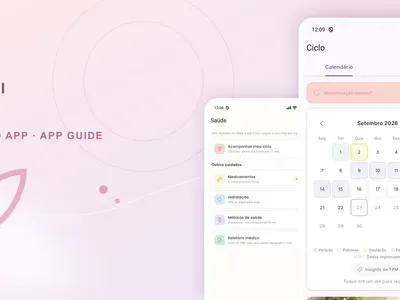
Have you ever noticed craving chocolate on certain days of the month while feeling perfectly satisfied with a light salad on others? This is not a lack of willpower — it is your hormones directly shaping your appetite, energy needs, and food cravings.[1] Research shows that metabolic rate, insulin sensitivity, and hunger regulation all shift across the 4 phases of the menstrual cycle. Levvi's cycle tracker lets you log your food habits alongside cycle phases to see which patterns are hormonal and which are habitual.
Why Nutritional Needs Change Across the Cycle
Hormonal fluctuations throughout the menstrual cycle affect energy expenditure, insulin sensitivity, and appetite regulation.[1] A study found that caloric intake naturally increases by 100 to 300 calories per day during the luteal phase compared to the follicular phase — a physiological response to rising progesterone and higher basal metabolic rate. This is not a failure of self-control; it is your body appropriately responding to increased energy demands. Understanding this prevents the self-blame that often accompanies premenstrual hunger and makes it possible to respond to your body intelligently rather than restrictively.
Research also shows that diet quality directly influences menstrual symptom intensity.[2] Women who consume higher amounts of anti-inflammatory foods — omega-3 fatty acids, fiber, magnesium, and antioxidants — consistently report lower menstrual pain severity, less bloating, and milder mood changes across the cycle. This makes cycle-aware nutrition a genuinely evidence-based strategy for improving quality of life, not a wellness trend. The science supports using food as a tool for cycle management rather than just general health.
Menstrual Phase (Days 1-5): Nourishment and Restoration
Menstruation marks the start of the cycle and, with it, blood loss that can reduce iron stores — particularly in women with heavy flow.[1] This is a time for nourishment and recovery, not restriction. Energy levels are often lower, and the body benefits most from warming, anti-inflammatory foods that replenish what is being lost. Many women experience heightened cravings for comfort foods during menstruation — often a meaningful physiological signal rather than emotional eating.
Prioritize:
- Iron-rich foods: beans, lentils, spinach, lean red meat, and tofu — especially important for women with heavy periods who are at risk of iron-deficiency fatigue.
- Natural anti-inflammatories: ginger, turmeric, and omega-3-rich fish (sardines, salmon) — these reduce prostaglandin production, which is the primary driver of menstrual cramps.
- Warm, comforting foods: soups, broths, and herbal teas (chamomile, ginger) — these support both physical comfort and the body's natural temperature preference during menstruation.
- Vitamin C to enhance iron absorption: citrus fruits, bell peppers, kiwi — pair with plant-based iron sources for significantly better absorption.
Follicular Phase (Days 6-13): Energy and Building
With estrogen rising, most women feel more energetic, motivated, and cognitively sharp during the follicular phase.[1] The body is preparing for ovulation, and metabolism is optimized for building and repair. Insulin sensitivity is higher during this phase, meaning the body processes carbohydrates more efficiently. This is typically the phase when women report feeling most like themselves — and when nutritional choices have the greatest building impact.
Prioritize:
- Quality proteins: eggs, chicken, fish, legumes — to support muscle repair and maintenance during a phase when training performance tends to peak.
- Complex carbohydrates: oats, brown rice, sweet potatoes — to fuel the higher energy demands and support the estrogen-driven mood lift.
- B vitamins: dark leafy greens, whole grains, bananas — essential for energy metabolism and the neurological processes that support mood and cognition.
- Fermented foods: plain yogurt, kefir, sauerkraut — to support gut microbiome health, which influences estrogen metabolism and overall hormonal balance.
Ovulatory Phase (Days 14-16): Lightness and Antioxidants
The estrogen peak at ovulation often brings a natural sense of wellbeing and satiety.[1] This tends to be the phase where appetite is most naturally regulated — many women eat less without effort and feel energized and socially engaged. Nutritionally, this is a good moment to focus on antioxidant-rich foods that protect the egg and support the reproductive tissue involved in ovulation. The short duration of this phase makes it less critical than follicular and luteal nutrition, but quality still matters.
Prioritize:
- Antioxidants: berries (strawberries, blueberries, raspberries), tomatoes, beets — protect against oxidative stress at the cellular level.
- Fiber: raw greens, chia seeds, flaxseeds, broccoli — support estrogen metabolism through healthy bowel transit and gut microbiome diversity.
- Light, nutrient-dense meals: salads with complete macronutrients, grain bowls with vegetables — your naturally lower appetite makes overly heavy meals less necessary.
- Zinc: cashews, pumpkin seeds, shellfish — important for reproductive health and immune function during this fertile window.
Luteal Phase (Days 17-28): Satiety and Comfort
Progesterone peaks during the luteal phase and basal metabolic rate rises — the body genuinely burns 100 to 300 more calories per day than during the follicular phase.[1] Increased hunger is physiological and appropriate, not a sign of weakness. Food cravings during this phase — especially for carbohydrates and chocolate — often reflect real nutrient needs: magnesium depletion, serotonin regulation, and blood sugar stabilization. The International Society of Sports Nutrition (ISSN) emphasizes that female athletes need particular attention to energy intake during the luteal phase, as caloric restriction can compromise recovery, hormonal health, and performance.
Research shows that women who restrict calories during the luteal phase are more likely to experience worsening PMS symptoms, greater mood instability, and higher risk of binge eating patterns.[2] Providing the body with adequate energy and the right nutrients during this phase — particularly magnesium, complex carbohydrates, and tryptophan — measurably reduces the severity of premenstrual symptoms across multiple cycles of consistent practice.
Prioritize:
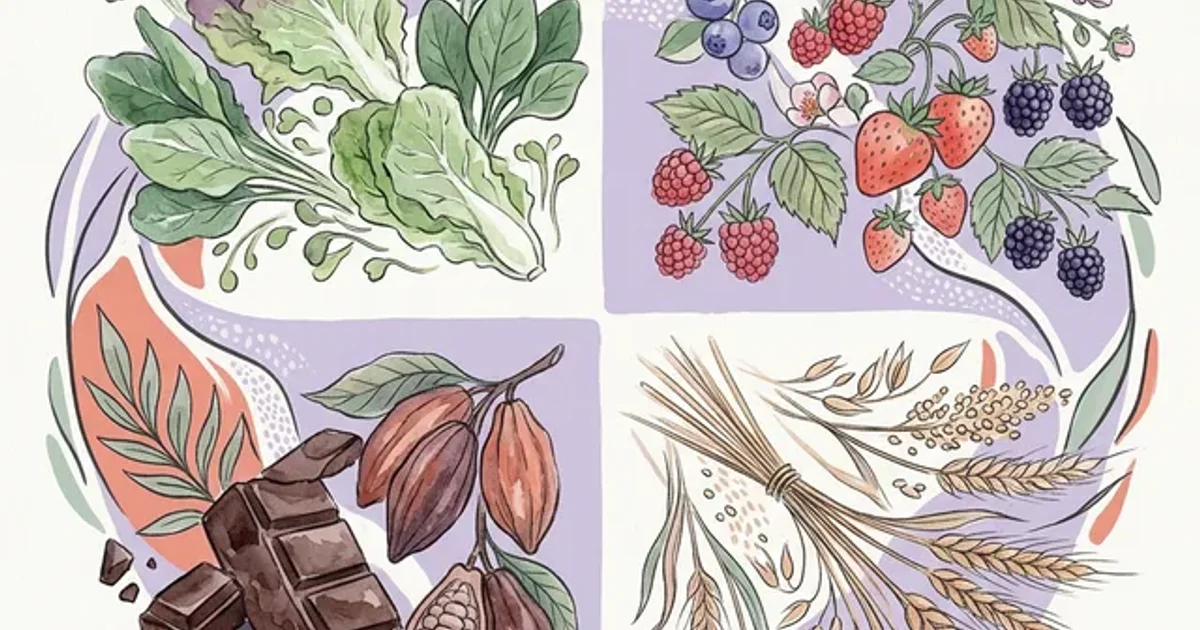
- Magnesium: dark chocolate (70%+), Brazil nuts, spinach, avocado — the most evidence-backed nutrient for reducing PMS bloating, cramps, and mood symptoms.
- Complex carbohydrates: cassava, yam, oats, sweet potato — sustain satiety, stabilize blood sugar, and support serotonin production via tryptophan availability.
- Tryptophan: banana, chickpeas, turkey, eggs — the precursor to serotonin, which tends to dip in the late luteal phase and contribute to mood changes.
- Calcium: yogurt, sesame seeds, kale, sardines — associated with reduced PMS symptom severity in clinical studies, particularly mood and physical discomfort.
What to Reduce in Each Phase
Rather than a list of forbidden foods, think of these as strategic adjustments based on how each substance interacts with your cycle hormones:
- During menstruation, reduce excessive caffeine — it can intensify cramps and heighten pain sensitivity. Opt for herbal teas if you want a warm drink that supports comfort.
- During the follicular phase, avoid skipping meals — with more available energy, it is easy to forget to eat, but consistent fueling supports the hormonal building work happening in this phase.
- During the luteal phase, limit ultra-processed foods and refined sugar — they offer brief relief but can worsen inflammation, blood sugar volatility, and mood instability.
- Alcohol at any phase, but especially luteal and menstrual: the body metabolizes alcohol less efficiently during these phases, and alcohol disrupts both sleep architecture and progesterone levels.
Frequently Asked Questions
Is it normal to crave more food before your period?
Yes, it is completely physiological.[1] Elevated progesterone in the luteal phase increases metabolic rate and, with it, appetite. Studies show that caloric intake naturally increases by 100 to 300 calories per day during this phase in most women. This is not a loss of control — it is the body correctly signaling its increased energy needs. Trying to restrict food intake during this phase often backfires, worsening cravings and mood while depriving the body of nutrients it genuinely needs. Levvi helps you track these patterns to normalize and plan around them.
Do I need specific supplements for my cycle?
For most women with a varied, balanced diet, food-first strategies are sufficient.[2] However, in cases of heavy menstrual flow, restricted diets, or significant PMS symptoms, targeted supplementation may help. Iron supplementation is relevant for women with heavy periods who show signs of depletion. Magnesium (200-400 mg/day, preferably bisglycinate form) has the strongest evidence base for PMS symptom relief. Always consult a healthcare provider before starting supplements to assess your actual needs.
Can restrictive diets affect my menstrual cycle?
Yes. Severe caloric restriction can lead to menstrual irregularities and even amenorrhea (absence of menstruation).[2] The ISSN position statement reinforces that adequate energy availability is essential for maintaining hormonal health, reproductive function, and menstrual regularity. The hypothalamus reduces reproductive hormone output when it perceives insufficient energy availability — a protective mechanism that unfortunately disrupts the cycle. If you have experienced irregular cycles alongside dietary restriction, this connection is worth discussing with your healthcare provider.